The Midnight Anomaly of Why We Suffer

The human brain processes social rejection using the same neural pathways as physical pain — getting dumped literally hurts like getting punched.
Executive Summary / Key Takeaways
Okay, picture this: you're sitting in a coffee shop, and your friend says 'I just don't get why life has to hurt so much sometimes.' And instead of giving them some platitude, you lean forward and say 'Wait — have you ever considered that pain might be the most important signal your body has?'
What if pain is actually your body's most important alarm system?

We're running 50,000-year-old survival software in a completely different world.
Split image showing an ancient human scanning the horizon for threats on the left, and a modern person experiencing anxiety while scrolling through social media on the right.
So here's where it gets weird. Your brain processes physical pain and emotional pain in the same exact place. No, seriously — stay with me. When you get rejected or feel lonely, your anterior cingulate cortex lights up like it just touched a hot stove. It's literally using the same hardware.
Think about that for a second. Heartbreak isn't just a metaphor. Your brain treats it like physical injury. Why would evolution wire us that way?
Because pain keeps us alive. Without it, you'd keep walking on a broken ankle until the bone came through the skin. You'd stay in toxic relationships forever. You'd never learn what actually matters.
And here's the part that gets me: we're the only species that can suffer about suffering. A dog feels pain when it's hurt. But only humans lay awake at 3 AM wondering 'why does everything have to hurt so much?'
That's the paradox. The very thing that makes suffering unbearable — our awareness of it — is also what makes us human.
The ancient survival code that's still running in your brain right now

Getting rejected literally hurts your brain the same way physical pain does.
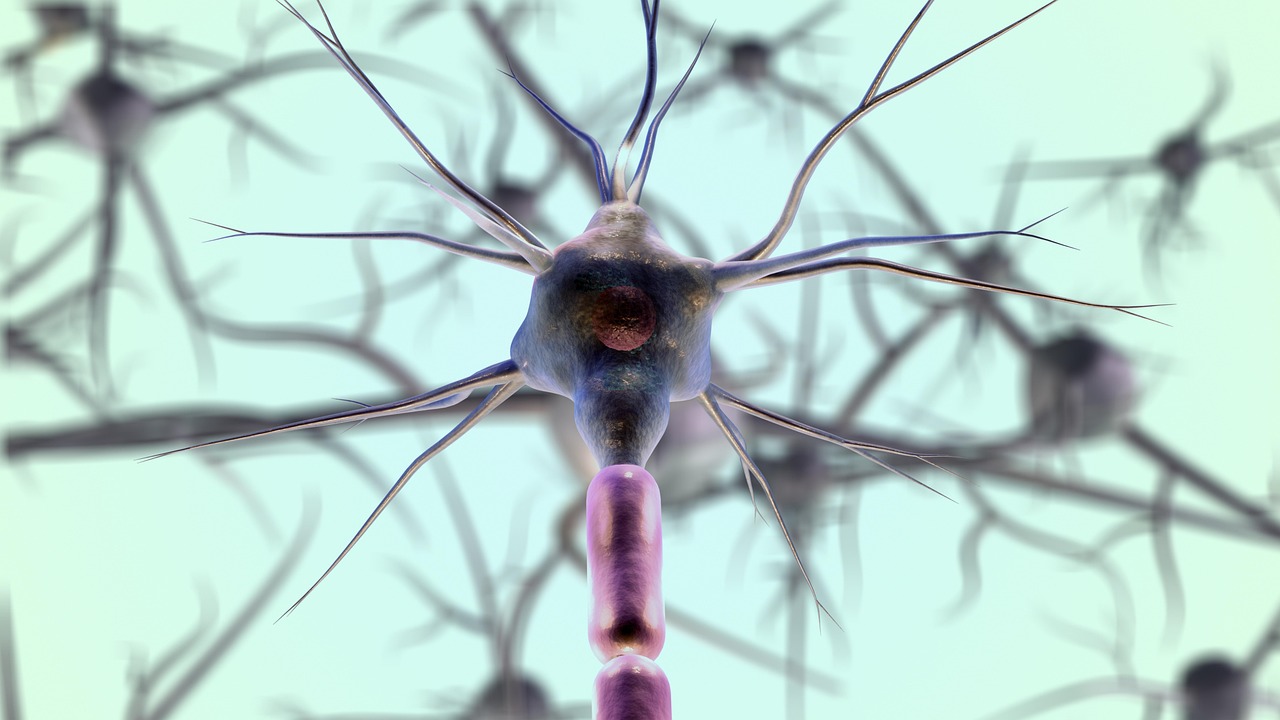
Animated visualization of neural activity spreading through the brain's pain matrix when experiencing social exclusion or criticism.
Okay so picture this: you're a hunter-gatherer 50,000 years ago. Every little twinge of anxiety, every moment of social discomfort, every physical pain — they're all survival signals. That knot in your stomach when you're alone? That's your brain screaming 'FIND THE TRIBE OR YOU DIE.'
But here's the thing — we're not hunter-gatherers anymore. We're sitting in climate-controlled apartments ordering food with our phones. But our brains? They're still running that ancient software.
Your anxiety about your career? That's the same wiring that used to worry about finding enough food for winter. Your fear of rejection? That's the same system that kept our ancestors from being exiled from the tribe (which was basically a death sentence).
We're walking around with Stone Age brains in a Silicon Age world. And the mismatch creates suffering that doesn't even make sense anymore.
But wait — that's not even the crazy part.
What if suffering is actually the price of having a self?

What if machines could suffer — and what would that mean about consciousness?
Concept art of an advanced AI robot with facial expressions suggesting emotional pain or existential contemplation, raising questions about the nature of suffering and sentience.
This is where nobody talks about this part. Suffering requires consciousness. You need to have a 'you' to suffer. Rocks don't suffer. Plants don't suffer (probably). Basic animals feel pain, but they don't sit around contemplating the meaning of their suffering.
We do. Because we have selves. We have identities. We have stories we tell ourselves about who we are.
And here's the machinery underneath: every time you suffer, you're reinforcing that self. 'I'm the kind of person this happens to.' 'This is my life story.' 'This is who I am.'
It's like your suffering becomes part of your operating system. And the more you suffer, the more real your self feels.
But what if you could reboot that system? What if, like those ancient DNA switches in modern plants, we have old programs running that we don't need anymore?
What if some of our suffering is just evolutionary baggage?
The neuroscience of why your brain can't stop looking for threats

Some people have literally changed how their brains process suffering.
Before-and-after brain scans showing reduced activity in pain processing regions after long-term mindfulness meditation practice.
Your brain processes negative information faster than positive information. Let me say that again: bad news hits your nervous system quicker than good news.
Why? Because missing a threat once could kill you. Missing a reward just means you're hungry a little longer.
So your brain is literally wired to scan for danger. Constantly. Even when there isn't any.
And here's the data point that blew my mind: according to research, the brain reacts to social rejection the same way it reacts to physical pain. The same neural pathways. The same chemical responses.
So when you feel left out or criticized? Your brain is treating it like you just got punched.
Evolution doesn't care if you're happy. Evolution only cares if you survive long enough to pass on your genes. And if that means you're constantly slightly miserable scanning for threats? Fine by evolution.
But here's where it gets really interesting...
What if AI could suffer — and what that tells us about ourselves?
Okay, so we're building these incredibly complex AI systems. And people keep asking when will AI become sentient? But here's a better question: what if we could build an AI that suffers?
Not just makes error messages. Actually suffers. Feels loss. Experiences frustration. Has existential dread.
Why would we ever do that? Because suffering might be necessary for real intelligence. For creativity. For problem-solving.
Think about it: every major human breakthrough came from someone suffering with a problem. Every beautiful piece of art came from someone trying to express something painful.
Suffering creates the tension that drives change. Without it, we'd just... exist. Like that immortal jellyfish. Forever, but never really going anywhere.
Maybe consciousness without suffering would be like a computer without an operating system. It would just sit there. Doing nothing. Being nothing.
And that's the part that keeps me up at night.
The surprising truth about people who suffer less
Here's something nobody tells you: some people actually suffer less. Not because they have easier lives. But because their brains process pain differently.
Studies show that mindfulness meditation can literally change how your brain responds to painful stimuli. The pain signal still comes in — but the suffering part? That gets turned down.
It's like having a volume knob for your own misery.
And get this: people who've experienced trauma sometimes develop something called post-traumatic growth. They don't just bounce back. They bounce forward. They become stronger, more compassionate, more alive than they were before.
Their suffering didn't destroy them. It transformed them.
So maybe the question isn't 'how do I avoid suffering?' Maybe it's 'what can my suffering teach me?'
Maybe, like that most interesting bug in the world, we're designed to transform through our struggles.
But wait — I need to tell you one more thing.
How Your Brain Processes Different Types of Suffering
| Type of Suffering | Brain Region Activated | Evolutionary Purpose | Modern Mismatch |
|---|---|---|---|
| Physical Pain | Somatosensory cortex, anterior cingulate | Avoid injury/death | Chronic pain without clear threat |
| Social Rejection | Anterior cingulate (same as physical pain) | Maintain tribe membership | Social media anxiety, loneliness |
| Anxiety/Fear | Amygdala, prefrontal cortex | Detect and avoid threats | Constant low-grade worry about non-survival issues |
| Existential Suffering | Default mode network, prefrontal cortex | Plan for future, understand patterns | Overthinking meaning, purpose, mortality |
Procedural Breakdown
Threat detection
Your brain constantly scans for danger using ancient survival wiring
Pain signal generation
When a threat is detected (physical or social), your brain creates a pain response
Conscious awareness
You become aware of the pain — this is where suffering begins
Meaning-making
Your brain tries to create a story about why you're suffering
Response/adaptation
You either avoid the source, endure it, or find meaning in it
Frequently Asked intel
Is suffering necessary for a meaningful life?
Not all suffering creates meaning, but meaning often comes from how we respond to suffering. The tension between what is and what could be drives growth, creativity, and change.
Can we eliminate suffering completely?
Probably not — and maybe we shouldn't. Pain signals keep us alive. Emotional suffering helps us understand what matters. The goal might be reducing unnecessary suffering while finding meaning in the inevitable.
Why do some people seem to suffer more than others?
Genetics, brain chemistry, life experiences, and learned coping strategies all play roles. Some brains are wired with more sensitive threat detection systems. But suffering isn't a competition — it's deeply personal.
Dig deeper into the rabbit hole
Verified Data Sources
Recent Intel & Headlines
Cross-Network News Feed
What is the Christlike way to suffer? - Catholic Courier
Is God Really Blessing American Christians with Answers to Little Prayers While Others Suffer? - Stand to Reason
Why we suffer: Finding courage and patience in the face of trials - Al Hakam
Global headlines indexed via Google News RSS Search Protocol