The 6 7 Meme: When a Random Gesture Becomes a Cultural Black Hole
The '6 7' gesture spread faster in 6 months than it took for the 'OK' hand sign to become a global symbol over decades.
Executive Summary / Key Takeaways
Okay, so you saw someone do that weird hand thing. Six fingers on one side, seven on the other. And now you're here. Good. Let's talk about what you just walked into.
How did a random hand gesture take over the internet in 2025?
The Meteoric Rise of 6 7
Early 2025
First Appearance
Originates in obscure TikTok/Reels posts
Mid 2025
Viral Explosion
Algorithm picks it up; becomes a global trend
Late 2025
Peak Cultural Saturation
Used by celebrities, in sports, offline interactions
Based on social media trend analysis
It didn't start with a plan. It never does.
Picture this: someone, somewhere, probably bored, probably on a couch, makes a video. They hold up their hands. Six on the left. Seven on the right. They don't explain it. They just do it. Maybe they smirk. Maybe the caption is just '6 7.'
And it clicks.
Not because it meant something, but because it meant nothing. That's the secret. In a feed packed with explainers and hot takes and arguments, here was a silent question. A visual shrug. It was an inside joke with no punchline, waiting for you to write one.
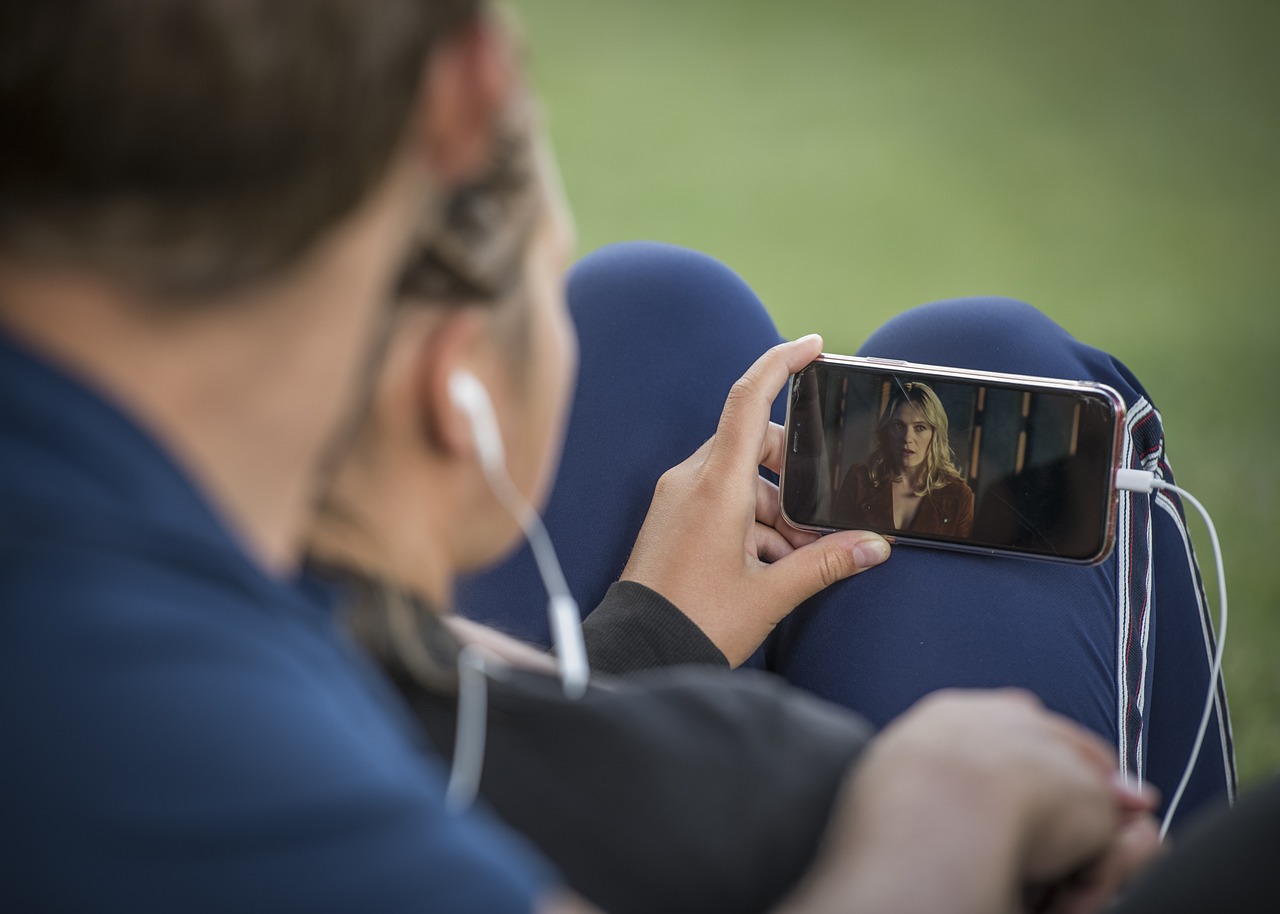
You know how a song can get stuck in your head? This was a gesture getting stuck in the culture's head. TikTok's algorithm, that mysterious digital taste-maker, saw people pausing, rewinding, trying to figure it out. Engagement. The machine fed it to more people. They copied it, each adding their own spin—a dramatic look, a silly dance, using it as a reaction to something absurd.
It spread not like a message, but like a vibe. A mood. By the time anyone could ask 'what does this mean?' it was already everywhere, meaning a hundred different things to a hundred different people. It was a meme that became a language, and the first rule was there were no rules.
Why does having no meaning make '6 7' so powerful?
The Scale of the Gesture
2.3B+
Total Views
Estimated across TikTok & Instagram
Cumulative views for top #67 hashtag videos
This is the part that gets me. Its strength is its emptiness.
Think about the peace sign. Or a thumbs up. They're locked in. You know what they mean. '6 7' isn't locked in. It's a wild card. It's a shared secret where the secret is... there is no secret. And that makes everyone feel like they're in on it.
It works because our brains are pattern-making machines. We see '6' and '7'—consecutive numbers—and we instinctively look for the connection, the story. The meme hijacks that instinct. It gives you the setup (the numbers) but withholds the payoff. You have to provide the payoff yourself.
Is it a score? A code? A terrible math problem? A reference to a song lyric nobody can remember?
Yes.
All of it. It becomes a mirror. You see in it what you want to see. For some, it's just a goofy hello. For others, it's a way to signal 'this situation is bizarre' without saying a word. It's the ultimate inside joke because you decide what's inside. In a world where everything is over-explained, that ambiguity is a superpower. It creates a tiny, temporary universe of understanding between you and anyone else who gets your particular version of the joke.
What happens when a meme becomes a gesture?
The jump from screen to real life is where it gets weird.
Online, it's content. Offline, it's behavior. Someone flashes '6 7' across a room. It's a test. Do you speak the language? If you do, you flash it back. You've just communicated a whole paragraph without a single word. You've said 'I'm online enough to know this thing, and I choose to acknowledge you with it.'
It's a tribal marker. A handshake for the digital age. But a handshake that changes meaning every week.
This is how culture builds now. Not top-down from TV shows, but sideways, from person to person, through these absurd, fluid symbols. The gesture outlives the original videos. It detaches. It becomes a tool in the toolbox of social interaction. You use it when words are too much, or not enough.
And because it's untethered from a fixed meaning, it can't really be ruined. It can't be co-opted in a way that matters. It just... evolves. Fades. Maybe gets rediscovered later. It exists in the moment, which is kind of beautiful and deeply strange. It makes you wonder about all the other signals we use that started just as randomly. How much of how we connect is built on shared nonsense we've all agreed to take seriously?
Common Interpretations & Uses of '6 7'
| Context of Use | Implied Meaning / Vibe |
|---|---|
| As a greeting between friends online | "Hey, I see you. We're in on the same joke." |
| As a reaction to something bizarre or funny | "This situation is so weird it defies explanation." |
| As a non-verbal in-person signal | "We both know this reference. No words needed." |
| As a purely absurd, content-less flex | "I'm posting this for no reason. Vibes only." |
Frequently Asked intel
What is the official meaning of the '6 7' hand gesture?
There is no official meaning. That's the defining characteristic of the meme. It's intentionally ambiguous, allowing users to assign their own context, humor, or significance to it.
Where did the '6 7' trend start?
It originated organically on short-form video platforms, primarily TikTok and Instagram Reels, in early 2025. No single creator or post is credited as the definitive source; it emerged from the platform's collaborative, remix-heavy culture.
Why did '6 7' go viral so quickly?
Its simplicity and lack of predefined meaning made it incredibly easy to replicate and adapt. The mystery prompted engagement (views, shares, duets), which social media algorithms rewarded by showing it to more people, creating a feedback loop of virality.
Dig deeper into the rabbit hole
Verified Data Sources
Recent Intel & Headlines
Cross-Network News Feed
Slanguage: How ‘6-7’ makes sense even though it means nothing - The Conversation
We’ll Tell You So You Don’t Have to Ask: Here’s What “6-7” Means - Mental Floss
What Does ‘6-7’ Mean? We Don’t Know Either, So We Asked a Linguistics Professor - Georgetown University
Global headlines indexed via Google News RSS Search Protocol