Your Brain Is Hardwired for Danger: The Evolutionary Reason Bad News Spreads 6 Times Faster
If good news traveled at walking speed, bad news would be moving at highway speeds—research shows negative information spreads up to 6 times faster online.
Executive Summary / Key Takeaways
You're scrolling through your phone, and there it is—another disaster, another scandal, another thing that makes you want to put the phone down and never pick it up again. But you don't. You click. You share. And you're not alone.
Why Your Brain Treats a Bad Headline Like a Saber-Toothed Tiger
The Speed of Bad News
6x
Faster spread rate
False news vs true news
MIT study on Twitter data
Okay, imagine you're walking through a forest 50,000 years ago.
You see berries. Nice. You see a saber-toothed tiger. Not nice.
Which one gets your attention first? Which one makes your heart pound, your muscles tense, your entire body scream "RUN"?
That's negativity bias in action. It's not a choice. It's wiring.
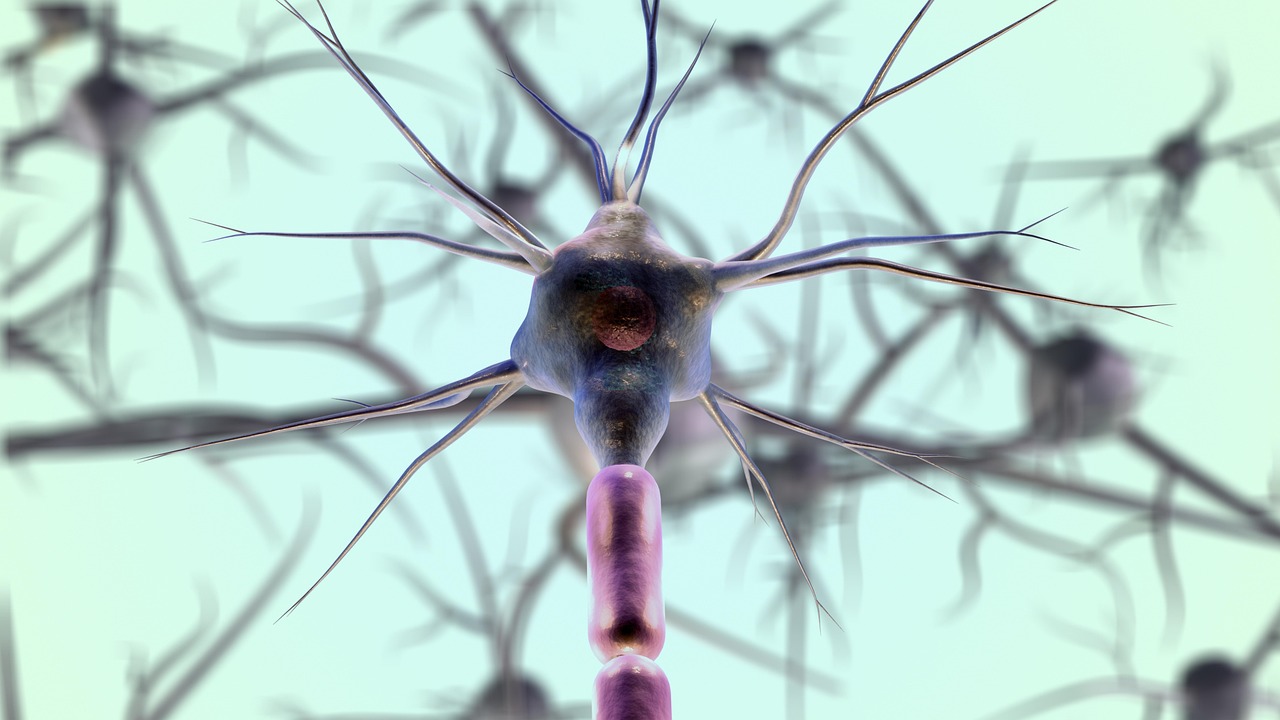
Your brain processes negative information faster and more thoroughly than positive information. Studies show it takes about five positive experiences to outweigh one negative one. That's why a single criticism at work can ruin your whole day, even if you got ten compliments.
And here's where it gets wild—this isn't just about feelings. It's about survival.
Missing out on berries means you're hungry. Missing the tiger means you're dead. Evolution favored the people who noticed threats first. Their genes got passed down. Your brain is literally built by ancestors who survived because they were paranoid.
Now fast forward to today.
There are no saber-toothed tigers. But your brain hasn't gotten the memo. A bad headline triggers the same alarm system. A political scandal, a natural disaster, a celebrity meltdown—your brain treats them all like potential threats.
You pay attention. You remember it longer. And you're more likely to tell someone about it.
Because in your brain's ancient programming, sharing bad news isn't gossip. It's a warning. "Hey, watch out for that tiger over there."
This is why optical illusions work—your brain is making quick, survival-based judgments that sometimes get it wrong in modern contexts.
The Algorithm That Learned Your Fear and Never Let Go
So your brain is wired for danger. Now meet the machine that feeds it.
Social media algorithms don't have feelings. They don't care if news is good or bad. They care about one thing: engagement.
And guess what gets more clicks, more comments, more shares?
Bad news. Every time.
Researchers at MIT found that false news spreads six times faster than true news on Twitter. Six times. And while that study focused on false information, the principle applies to all negative content.
Here's how it works: You see a scary headline. Your brain's threat detection lights up. You click. The algorithm notices. "Oh, this user engages with scary things. Let's show them more scary things."
Next time you open the app, there's another disaster. And another. And another.
It's a feedback loop. Your brain's ancient wiring meets modern technology, and they create a perfect storm of negativity.
Think about it like this: If your feed was a newspaper, it would be 90% front-page disasters with a tiny "good news" section buried on page 15.
But that's not reality. That's what the algorithm thinks you want to see.
And the numbers are staggering. One analysis found that during major news events, negative stories get shared 3-4 times more than positive ones. On some platforms, angry reactions drive more engagement than all other reactions combined.
The algorithm learned that your fear keeps you scrolling. And it's really, really good at its job.
Why "Doomscrolling" Feels Addictive (It Actually Is)
The Negativity Numbers
5:1
Positive to negative ratio needed to feel balanced
70%
Of news headlines contain negative words
2x
Longer memory retention for negative events
Psychological research findings
You know that feeling when you can't stop scrolling through bad news, even though it makes you feel terrible?
That's not just you being morbid. That's your brain's reward system getting hijacked.
Remember the tiger in the forest? When you spotted it and survived, your brain released dopamine. "Good job! You didn't die!"
Today, when you read about a disaster and survive another day, your brain gives you a tiny hit of that same chemical. You've "survived" another threat.
It's messed up, but it's true: Consuming bad news can create a cycle that feels almost addictive.
You check for updates. You get a little dopamine. You feel informed, prepared, like you're staying safe. Then you need another hit.
This is why breaking news alerts feel urgent. Why you refresh Twitter during a crisis. Why you read comments on articles about things that scare you.
Your brain thinks it's gathering survival information. Really, it's just getting stressed about things you can't control.
And media companies know this. They frame stories to trigger that threat response. "You won't believe what happens next" isn't just clickbait—it's playing on millions of years of evolution.
The result? We spend more time consuming negative content than positive. We share it more. We talk about it more.
And we start to believe the world is more dangerous than it actually is.
This distortion affects everything from how we view global conflicts to why certain brands face sudden backlash.
How to Rewire Your Feed (Without Moving to a Cabin in the Woods)
How Fear Spreads Online
0-5 min
Threat detection
Brain processes negative info faster
5-30 min
Engagement spike
Negative content gets most clicks
1-24 hrs
Algorithm amplification
Platforms show similar content
1-7 days
Memory consolidation
Negative events remembered longer
Information processing timeline
So what do you do when your brain and your phone are working against you?
First, recognize the pattern. When you feel that urge to click on something negative, pause. Ask yourself: "Is this information useful, or is it just feeding my anxiety?"
Second, diversify your inputs. Follow accounts that share good news. Subscribe to newsletters that highlight solutions, not just problems. Actively seek out positive stories.
The algorithm responds to what you engage with. If you start clicking on hopeful stories, it will show you more hopeful stories.
Third, practice information hygiene. Set time limits for news consumption. Designate specific times to check updates instead of constantly refreshing.
And remember: Your brain's threat detection is like a smoke alarm. It's supposed to go off when there's fire. Not when you're making toast.
Most of the "danger" in your feed isn't immediate. It's not the saber-toothed tiger. It's toast.
By understanding why bad news spreads faster, you gain control over your attention. You can acknowledge threats without being consumed by them.
You can be informed without being overwhelmed.
And maybe, just maybe, you can start sharing more good news too. Because that's how we rebalance the scale—one shared positive story at a time.
After all, if our brains can be trained to spot threats, they can be trained to spot opportunities too. It just takes practice.
And understanding that sometimes, the most radical thing you can do is look for what's going right.
How Different Emotions Drive Sharing
| Emotion | Sharing Likelihood | Speed of Spread |
|---|---|---|
| Anger/Outrage | High | Very Fast |
| Fear/Anxiety | High | Fast |
| Surprise | Medium | Medium |
| Joy/Happiness | Low-Medium | Slow |
| Sadness | Medium | Medium |
Procedural Breakdown
Threat detection
Brain identifies negative information as potential danger
Emotional arousal
Body responds with stress hormones and heightened attention
Memory encoding
Negative events get stored more strongly in memory
Social sharing
Urge to warn others leads to sharing behavior
Algorithm amplification
Platforms show similar content based on engagement
Frequently Asked intel
Is this negativity bias the same for everyone?
While all humans have some degree of negativity bias, it varies by personality, culture, and individual experiences. Some people are naturally more optimistic, but the basic wiring exists in everyone because it was essential for survival.
Can social media companies fix this problem?
Platforms could adjust algorithms to promote more balanced content, but engagement metrics often favor negative content. Some are experimenting with downranking sensational content, but the fundamental conflict between user well-being and platform growth remains.
Was news always this negative, or is it getting worse?
Historical analysis shows news has always highlighted conflict and danger—"if it bleeds, it leads" is an old journalism saying. What's changed is the speed and volume. Where you might have read one newspaper a day, now you can consume hundreds of negative stories in minutes through social media.
Dig deeper into the rabbit hole
Verified Data Sources
Recent Intel & Headlines
Cross-Network News Feed
How misinformation on social media has changed news - PIRG
Flu cases are surging and rates will likely get worse, new CDC data shows - NPR
On Twitter, bad news spreads faster than good - CBS News
Global headlines indexed via Google News RSS Search Protocol