The Midnight Scroll: Why Your Brain Chooses TikTok Over Sleep
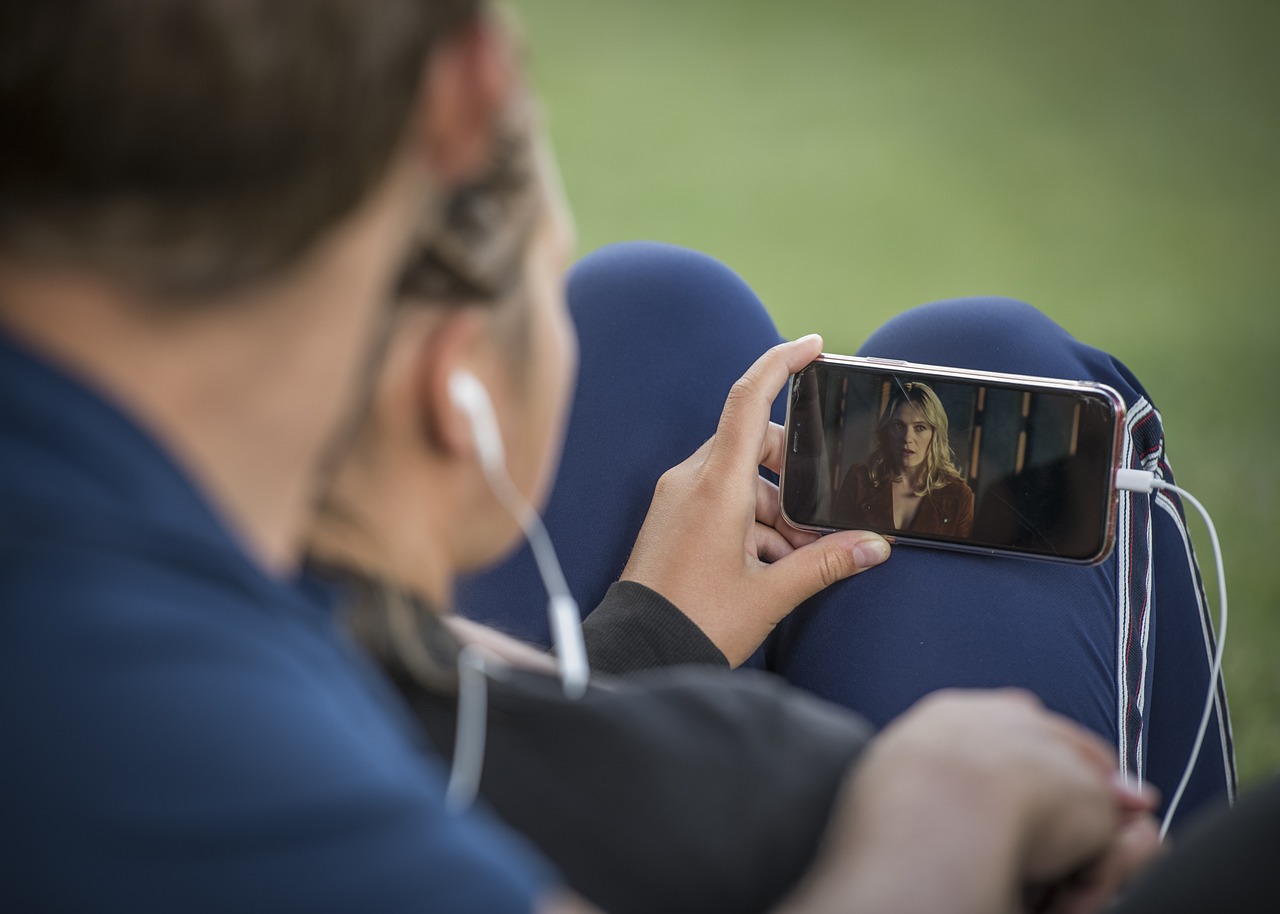
The blue light from your phone suppresses melatonin production about as much as sitting in a dimly lit room for 1 hour. It's the psychological engagement—not the light—that's keeping you awake.
Executive Summary / Key Takeaways
You're lying in bed, phone glowing in the dark. You know you should sleep. But your thumb keeps moving.
Why does your brain treat bedtime like a threat?
The Sleep Tax
255 hours
Annual sleep lost to phones
42 minutes
Per night average
Based on sleep studies
Sleep Health Foundation data
Okay, think about this. You're lying there, completely safe. Warm bed. Locked door. But your brain is acting like you're in a cave with wolves outside.
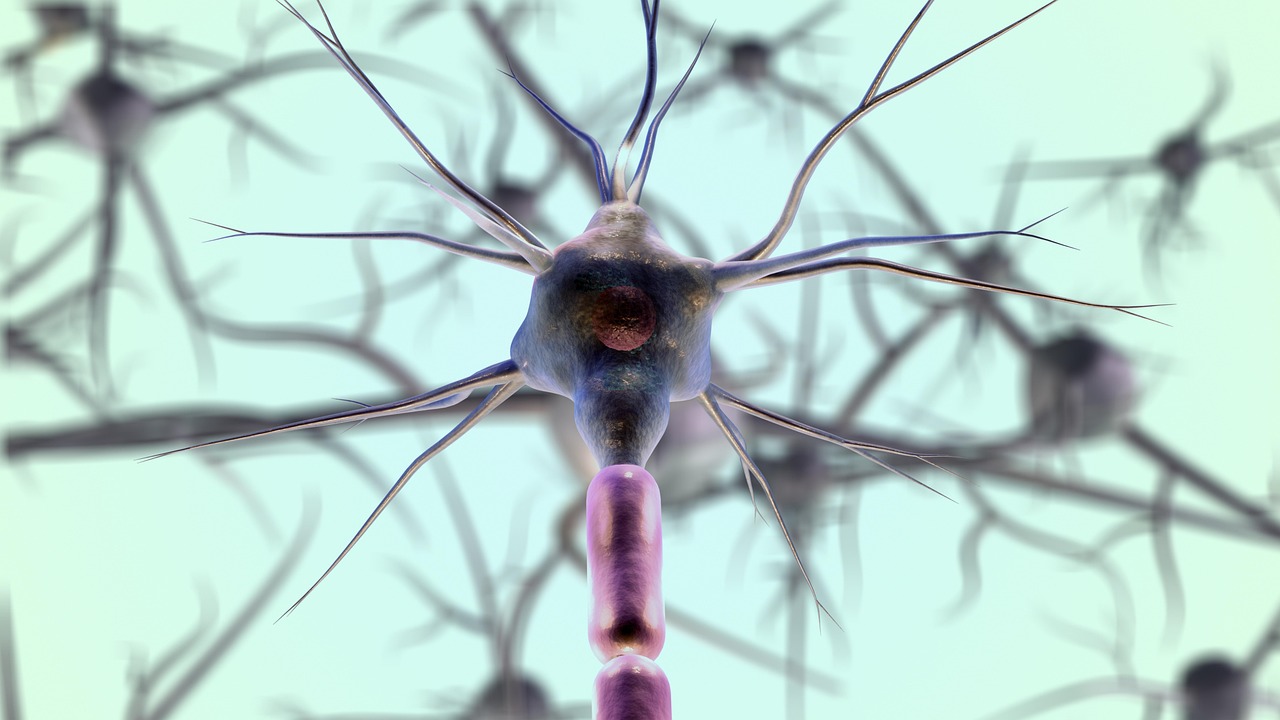
That's because part of your brain—the amygdala—doesn't know the difference between 2024 and 20,000 BC. It's still running the same software: "Darkness equals danger. Stay alert."
So when you're trying to quiet your mind for sleep, that ancient alarm system starts pinging. "Check your surroundings!" it screams. And what's your modern-day version of scanning the horizon for predators?
Checking your phone.
Every notification is a potential threat assessment. Every scroll is environmental surveillance. Your brain thinks it's doing its job keeping you safe.
But here's where it gets weird. Studies show people check their phones an average of 58 times during their waking hours. Before bed? That number spikes. Because your brain's threat-detection system is most active when you're trying to transition from alert to asleep.
You're not weak-willed. You're evolutionarily mismatched.
Your phone has become the digital campfire you're staring into, waiting for danger to emerge from the shadows. Except the danger never comes. So you keep staring.
And this connects to something deeper about how we process uncertainty. When we're lying awake with our thoughts, we're actually wrestling with the same neural pathways that fire up when we're trying to make sense of seemingly random events or patterns that don't quite add up.
What's really in that dopamine hit you're chasing?
Let me break this down simply. Dopamine isn't the pleasure chemical. It's the "maybe something good will happen" chemical.
Think of it like fishing. The bite—that tug on the line—that's dopamine. Not catching the fish. Just the possibility.
Your phone is the ultimate fishing pond. Every scroll is another cast. Every notification is another tug.
And before bed? You're especially vulnerable. Your willpower is depleted from the day. Your brain is tired of making decisions. So it defaults to the easiest reward pathway: just one more scroll.
But here's what they don't tell you about those bedtime scrolls. The content you consume right before sleep gets privileged access to your memory systems.
Your brain is preparing for sleep—which means it's starting to consolidate memories from the day. And what memories is it consolidating?
Comparison culture from Instagram. Outrage from Twitter. Anxiety from news apps.
You're literally programming your subconscious with the worst parts of the internet.
And this isn't just about bad dreams. Studies show that pre-sleep screen time reduces REM sleep—the phase where we process emotions and solidify learning. You're trading emotional regulation for digital distraction.
It's like trying to bake a cake while someone's banging pots and pans in the kitchen. The ingredients might be there, but the result is going to be a mess.
This emotional processing is connected to how we handle other complex human experiences too. The same neural flexibility that lets us scroll instead of sleep is what allows for profound human connection in completely different contexts.
How did bedtime become the new happy hour?
The Digital Bedtime Revolution
2007
iPhone launches
Smartphones enter mainstream
2011
35% penetration
First major bedtime shift observed
2024
85% penetration
Near-universal bedtime scrolling
Pew Research Center
Remember when people used to read books before bed? Or just... lie there?
The shift happened fast. In 2007, the iPhone debuted. By 2011, 35% of Americans owned a smartphone. Today? 85%.
But the real change wasn't the device. It was what we built on it.
Social media platforms discovered something dangerous: our pre-sleep mental state is their perfect hunting ground.
When you're tired, your prefrontal cortex—the part that makes rational decisions—is taking a nap. Your emotional brain is running the show.
And emotional brains click. They share. They react.
So platforms optimized for this. Infinite scroll. Autoplay videos. Notifications timed for when you're most vulnerable.
They didn't invent bedtime phone use. They weaponized it.
And we bought into it because it felt like connection. That last check-in with friends. That final catch-up on the day's events.
But here's the uncomfortable truth: you're not connecting with people. You're connecting with algorithms designed to keep you engaged.
Your bedtime scroll isn't a ritual. It's a transaction. You're trading sleep for engagement metrics.
And the cost is real. The average person loses 42 minutes of sleep per night to phone use. Multiply that by 365 days. That's 255 hours per year.
You're losing over 10 full days of sleep annually to your phone.
But wait—it gets more personal. That lost sleep isn't just making you tired. It's changing how you relate to everything. When we're sleep-deprived, we process threats differently, we react more emotionally, and we see patterns where none exist—which might explain why superstitions feel more real at 2 AM than at 2 PM.
What happens when you actually put the phone down?
The Scroll Cycle
58×
Daily phone checks
Average across users
80%
Use phone in bed
Of smartphone owners
30%
Check if wake up
During nighttime
21 days
Habit formation
To break the cycle
Various sleep studies
Let's do a thought experiment. Right now, as you're reading this, your brain is processing words, forming connections, making meaning.
When you put the phone down before sleep, something remarkable happens.
Your brain starts doing that with your own life.
Without the constant input, it begins processing your day. Your conversations. Your problems. Your ideas.
This is called the default mode network. And it only activates when you're not focused on external stimuli.
Your phone is constantly interrupting this process. Every notification is a cognitive context switch. And context switches have a cost.
It takes your brain an average of 23 minutes to return to deep focus after an interruption. Before bed? Those interruptions prevent your brain from ever entering its natural wind-down sequence.
But here's what happens when you break the cycle.
First night: You'll probably feel anxious. Your brain will scream for stimulation. That's withdrawal.
Third night: You might actually get bored. And boredom is where creativity begins.
Seventh night: Your sleep architecture starts to repair. More deep sleep. More REM. Waking up actually feeling rested.
The data shows it takes about 21 days to form a new habit. For bedtime phone use? The first three days are the hardest. After that, your brain starts remembering how to sleep without digital assistance.
And this isn't about perfection. It's about awareness. Knowing why you reach for the phone is the first step toward choosing something else.
Because here's the final piece: that moment before sleep isn't empty space to be filled. It's transition time. It's where your brain integrates everything that happened. It's where you become yourself again after a day of being who everyone needs you to be.
Your phone isn't helping with that transition. It's preventing it.
And in a world that feels increasingly fragmented, that transition time might be more important than we realize. It's the same mental space where we process bigger questions about our place in the world—questions that feel especially pressing when we consider global tensions or personal conflicts that need genuine resolution.
The Pre-Sleep Phone Impact
| Time With Phone Before Bed | Sleep Latency | REM Sleep Reduction | Next-Day Alertness |
|---|---|---|---|
| 60+ minutes | Increases by 45% | Reduced by 35% | Decreased by 40% |
| 30-60 minutes | Increases by 30% | Reduced by 25% | Decreased by 25% |
| 15-30 minutes | Increases by 20% | Reduced by 15% | Decreased by 15% |
| 0-15 minutes | Minimal increase | Minimal reduction | Minimal impact |
Procedural Breakdown
Notice the urge
When you reach for your phone, pause. Ask yourself: 'What am I actually looking for right now?'
Create physical distance
Charge your phone outside the bedroom. The extra steps create decision time.
Replace the ritual
Swap scrolling for reading (actual books), journaling, or simple breathing exercises.
Track the changes
Notice how you feel after 3 nights, 7 nights, 21 nights. The data will motivate you.
Frequently Asked intel
Is blue light really that bad for sleep?
Blue light does suppress melatonin, but recent research shows the psychological stimulation from content is actually more disruptive to sleep than the light itself. It's the engagement, not just the glow.
How long before bed should I stop using my phone?
Ideally 60-90 minutes, but even 30 minutes makes a difference. The key is creating a buffer between digital stimulation and sleep attempts.
Why do I feel anxious when I try to sleep without my phone?
You're experiencing withdrawal from constant dopamine hits. Your brain has been trained to expect stimulation during that pre-sleep window. The anxiety usually peaks around day 3 and then decreases.
Are some apps worse than others for bedtime use?
Yes. Social media and infinite-scroll apps are designed to be addictive. Reading apps or meditation apps with minimal notifications are less disruptive, though any screen time affects sleep quality.
Dig deeper into the rabbit hole
Verified Data Sources
Recent Intel & Headlines
Cross-Network News Feed
Why Using Your Phone at Night May Not Be as Bad as You Think - Time Magazine
Ask Wirecutter: Can You Help Me Stop Mindlessly Scrolling on My Phone? - The New York Times
How sleep affects mental health (and vice versa): What the science says - Stanford Medicine
Global headlines indexed via Google News RSS Search Protocol