The Midnight Anomaly of Why Do We Shake in the Cold?

Shivering can burn up to 400 calories per hour—that's equivalent to running at a 6 mph pace.
Executive Summary / Key Takeaways
You're standing outside, teeth chattering, muscles twitching uncontrollably. But what's actually happening inside you right now?
Your Body's Emergency Heating System Just Activated
Metabolic Overdrive
400%
Metabolic increase during shivering
5x normal
Calorie burn rate
Compared to resting state
Journal of Applied Physiology
Right now, as you read this, your body is maintaining a perfect 98.6°F. Or trying to.
Drop just two degrees and something switches on. Not a thought. Not a decision. A system.
Your brain has a tiny region called the hypothalamus. Think of it as the world's most sensitive thermostat. It doesn't just measure temperature—it measures survival.
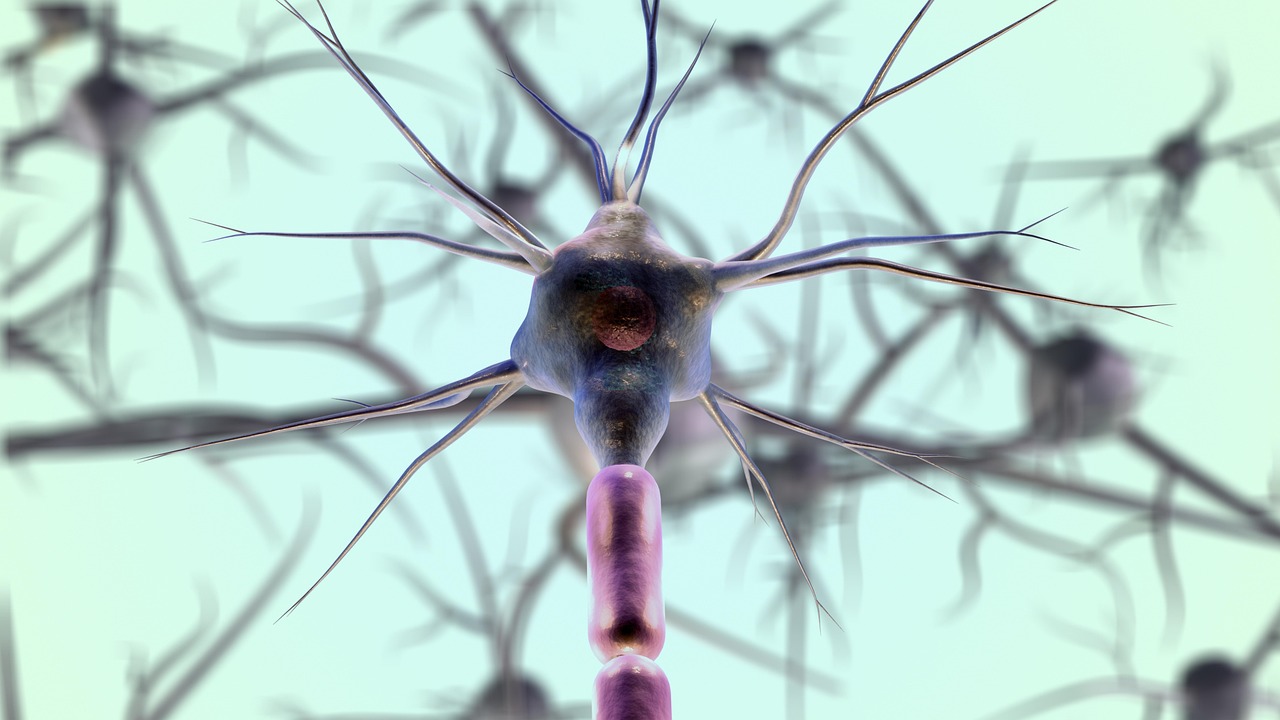
When cold hits your skin, nerves send a message: "We're losing heat." The hypothalamus gets the alert. And it doesn't hesitate.
It sends signals down your spinal cord, out to your muscles. "Contract. Relax. Contract. Relax." Faster than you can control. Up to 200 times per second.
Each twitch generates heat. Not much individually. But together? Your metabolic rate can jump 400%. You're burning calories like you're running a marathon while standing still.
This isn't about being uncomfortable. This is your body declaring a state of emergency.
The Ancient Code That Makes You Twitch
Shivering Thresholds
Core temp when shivering starts
Trained individuals like winter swimmers
Shivering stops, hypothermia begins
Physiological Reviews
Here's what gets me. This system is older than humanity.
Way back when our ancestors were hunting mammoths in ice age Europe, shivering wasn't an annoyance. It was the difference between making it back to the cave and becoming a popsicle.
Your body has two types of shivering. Cold shivering starts in your core muscles—chest, abdomen. That's your priority heating system protecting your vital organs.
Then there's thermogenic shivering. That's when your muscles start burning brown fat. Yes, adults have brown fat. Not much—maybe a few ounces. But it's packed with mitochondria that generate heat directly.
Babies have way more brown fat. That's why they don't shiver as much. Their little bodies are basically wearing built-in electric blankets.
As we age, we lose most of it. But the system remembers. When you're really cold, your body tries to reactivate those old pathways. Like finding a childhood toy in the attic and trying to make it work again.
Some people's systems are just better tuned. Marathon swimmers can tolerate water that would send you into violent spasms. Their bodies have learned to conserve heat differently.
But we all have the same ancient wiring. Buried deep. Waiting for the cold to flip the switch.
Why Your Teeth Chatter Before Your Hands Shake
The Cold Response Cascade
Immediate
Skin sensors detect cold
Nerves signal hypothalamus
30 seconds
Muscle twitching begins
Starting with jaw and core
5 minutes
Full-body shivering
Metabolic rate peaks
30+ minutes
Fuel depletion risk
Glucose stores exhausted
American Journal of Physiology
Notice the order? Jaw muscles first. Then shoulders. Then arms and legs.
Your body is prioritizing. Your brain needs blood at the right temperature to function. So it heats the blood going to your head first.
Those jaw muscles are close to your carotid arteries—the main highways to your brain. Heating them warms the blood passing through.
It's like putting a space heater right where the pipes enter your house.
Your hands and feet? They can wait. Your body will actually restrict blood flow to your extremities to conserve heat for your core. That's why your fingers go numb in the cold.
This prioritization explains so much. Why you can't think straight when you're freezing. Why your coordination goes to hell. Your brain is literally being starved of warm blood.
And here's something wild—this system can get confused. Ever get goosebumps in the cold? That's a leftover from when our ancestors had fur. The muscles at the base of each hair follicle contract, trying to fluff up fur that doesn't exist anymore.
Your body is running software that hasn't been updated in 200,000 years. Sometimes it tries solutions that don't work anymore.
The Temperature Where Everything Changes
The Shivering Equation
200/sec
Muscle contraction rate
During intense shivering
2°F drop
Triggers response
From normal 98.6°F
50%
Heat from muscles
Proportion generated by shivering
10x
Nerve signal speed
Faster than voluntary movement
Neuroscience research
95°F.
That's the number. When your core hits 95, shivering stops.
Not because you're warm. Because you're in trouble.
Your muscles need energy to contract. They get it from glucose in your blood. But when you're that cold, your liver can't process glycogen into glucose fast enough.
The fuel runs out. The shaking stops.
And this is where it gets dangerous. Without shivering, your temperature drops faster. At 90°F, confusion sets in. At 82°F, most people lose consciousness.
But here's the counterintuitive part. Some people can train their bodies to delay this shutdown. Wim Hof—the "Iceman"—has climbed Mount Everest in shorts. His technique involves controlled breathing that somehow tricks his hypothalamus.
Scientists are still figuring out how he does it. But they've scanned his brain while he's submerged in ice. His prefrontal cortex—the thinking part—stays active. Most people's would shut down.
He's essentially hacked his own thermostat. Proved that maybe we all have more control than we think.
What Animals Know That We Forgot
What You Didn't Know About Shivering
Babies don't shiver much
They have more brown fat for heat
Goosebumps are failed shivering
Leftover from furry ancestors
Protects brain temperature
Evolutionary biology insights
Bees don't shiver. They vibrate.
On cold mornings, honeybees cluster together and contract their flight muscles without moving their wings. The hive becomes a living furnace.
Hummingbirds do something similar at night. Their metabolic rate drops, and they enter torpor—a controlled hypothermia that saves energy.
Birds have a network of blood vessels in their legs called a rete mirabile. Warm blood flowing down heats cold blood flowing up. It's a built-in heat exchanger.
We humans? We just have shivering. It's crude. Inefficient. Burns through energy reserves.
But it works. And sometimes crude solutions are the most reliable.
Think about it. No moving parts. No external fuel. Just muscles doing what muscles do.
When everything else fails—when you're lost in the woods, when the power goes out in a blizzard—this system still works. It's the backup generator of your biology.
And it's always on standby. Always monitoring. Always ready to fire up.
Next time you're cold and shaking, don't just curse it. Listen to it. That's your body telling you a story. A very old story about survival.
One that's been written into every cell since the first mammal figured out how to make it through winter.
How Different Species Handle the Cold
| Species | Primary Method | Lowest Survival Temp | Unique Adaptation |
|---|---|---|---|
| Humans | Shivering | 75°F (core) | Social cooperation for warmth |
| Honeybees | Muscle vibration | 41°F (cluster) | Collective heating in hives |
| Arctic foxes | Counter-current heat exchange | -94°F | Blood vessels in legs minimize heat loss |
| Hummingbirds | Torpor (controlled hypothermia) | 32°F | Metabolic rate drops 95% overnight |
| Wood frogs | Freeze tolerance | -4°F | Ice forms in body cavities, vital organs protected |
Procedural Breakdown
Cold detection
Skin nerves sense temperature drop and signal hypothalamus
System activation
Hypothalamus triggers involuntary muscle contractions via spinal cord
Heat generation
Rapid muscle movements convert chemical energy to thermal energy
Priority heating
Core muscles activate first to protect vital organs and brain
Fuel management
Body burns glucose reserves; shivering stops when depleted
Frequently Asked intel
Why do I shiver even when I'm not that cold?
Sometimes shivering triggers from rapid temperature changes rather than absolute cold. Your body overreacts to sudden drops, like when you step out of a warm shower. It's a false alarm, but the system errs on the side of caution.
Can you stop shivering voluntarily?
Not really. Once the hypothalamus activates the response, it's involuntary. You can reduce it by warming up, but you can't consciously turn it off—just like you can't stop your heart by thinking about it.
Why do some people shiver more than others?
Body composition matters most. People with less body fat lose heat faster, so they shiver sooner. Muscle mass helps—more muscle means more heat production. Age, fitness, and even genetics play roles too.
Is shivering bad for you?
No, it's protective. But prolonged, intense shivering can exhaust energy stores and lead to hypothermia. If you're shivering violently for more than 30 minutes in extreme cold, you need to find warmth immediately.
Dig deeper into the rabbit hole
Verified Data Sources
Recent Intel & Headlines
Cross-Network News Feed
Why do little dogs shiver so much? It's not just the cold. - Popular Science
I Fueled My Winter Hike With This 700-Calorie Protein Shake. It Didn't Go As Planned. - Backpacker Magazine
‘Why Do We Shake In The Cold?’ With Elderbrook - notion.online
Global headlines indexed via Google News RSS Search Protocol