The Midnight Anomaly of What Transforms Pain Into Unexpected Wisdom?
The cognitive flexibility gained from overcoming significant adversity is comparable to learning a new language—it literally rewires your brain's connectivity patterns.
Executive Summary / Key Takeaways
You're sitting in a hospital waiting room at 3 AM, watching the fluorescent lights flicker. The person you love most is behind those doors, and you're holding a coffee that's gone cold. This is where it starts—not with a revelation, but with a rupture.
Why Does Your Brain Treat Rejection Like a Broken Bone?
The Post-Trauma Transformation Rate
70%
of trauma survivors report positive growth
30%
experience adversarial growth
become stronger than before
Source: Post-Traumatic Growth Research Collective
Okay, so here's something that messed me up when I first learned it. You know that feeling when someone ghosts you, or you get passed over for a promotion? That ache in your chest isn't just metaphorical.
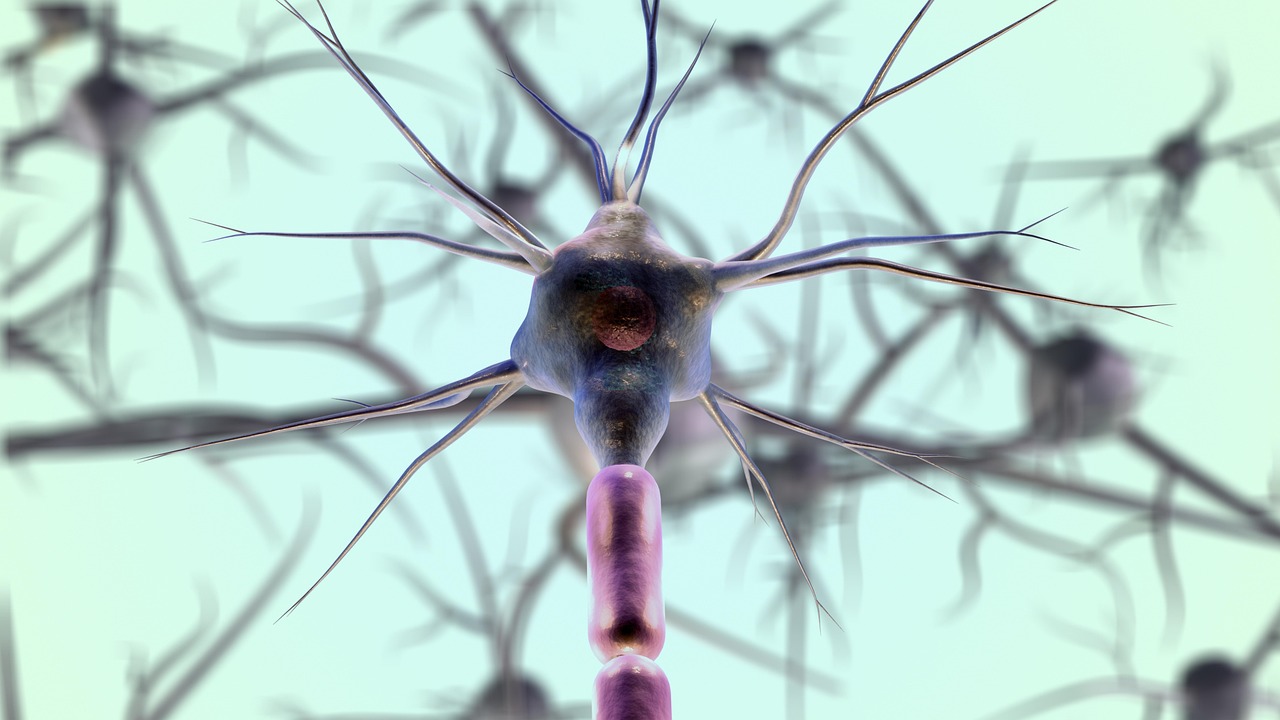
Your brain literally processes social pain using the same neural pathways as physical pain. The anterior cingulate cortex—this little strip of brain tissue—lights up whether you stub your toe or get excluded from a group chat.
Evolution did this for a reason. Back when we lived in tribes, being ostracized meant certain death. So your brain treats social threats with the same urgency as physical ones.
But here's where it gets interesting. That pain response? It's actually a feature, not a bug. It forces you to pay attention. To reassess. To learn.
Think about it like this: pain is your brain's way of saying "Hey, whatever you're doing right now? Stop doing it." It's an interrupt signal. And when everything you thought was true gets interrupted, you have to build new truths.
This is why rejection hurts like physical pain—because your brain can't tell the difference. And that's exactly what makes it so powerful as a teacher.
The 70% Paradox: How Trauma Actually Makes Most People Stronger
You'd think trauma breaks people. And sometimes it does. But here's the counterintuitive part: most people don't just bounce back—they bounce forward.
Researchers tracked people after serious life crises—cancer diagnoses, accidents, loss. And 70% of them reported positive psychological changes. Not just "I survived," but "I'm better than I was before."
They call it post-traumatic growth. And it shows up in five specific areas: better relationships, new possibilities, personal strength, spiritual change, and appreciation of life.
But wait—that's not even the crazy part.
About 30% of people experience what's called "adversarial growth." They don't just return to baseline. They surpass it. Their relationships become more authentic. Their priorities clarify. Their capacity for joy expands.
It's like their emotional immune system gets upgraded. Future stressors that would have devastated them before? They handle them with a calmness that surprises everyone.
The key isn't the trauma itself. It's what happens in the space between "everything is broken" and "I have to rebuild." That's where wisdom gets forged.
What If Your Subconscious Is Already Rewriting Your Pain Story?
The Wisdom Development Timeline
Immediate
Assumptions Shatter
Default mode network disrupted
Weeks 2-8
Cognitive Flexibility Develops
Brain searches for new patterns
Months 3-12
Post-Traumatic Growth Emerges
New worldview stabilizes
Year 1+
Wisdom Integrates
Applied to future challenges
Based on longitudinal psychological studies
Here's what nobody tells you about pain: your brain starts making sense of it before you're even aware it's happening.
While you're lying awake at night replaying the worst moments, your subconscious is already working. It's searching for patterns. Connecting dots. Building narratives.
This is where subconscious biases actually help you. Normally, they're shortcuts that can lead you astray. But in the aftermath of pain, they become meaning-making machines.
Your brain hates randomness. It can't accept that bad things just happen. So it creates stories. "This happened because..." "I learned that..." "Next time I'll..."
Those stories? They're the first draft of wisdom.
And here's the thing about first drafts: they're messy. They're often wrong. But they're necessary. Because they give your pain a shape. A beginning, middle, and end.
Without that narrative, pain is just noise. With it, pain becomes information. Data. Something you can work with.
Your subconscious isn't trying to comfort you. It's trying to make you competent. To ensure that if this happens again—or something like it—you'll be ready.
The Cognitive Flexibility That Only Comes From Shattered Assumptions
The Neuro-Wisdom Numbers
5 areas
of life improved
relationships, possibilities, strength, spirituality, appreciation
Same pathways
for physical & social pain
anterior cingulate cortex
Increased
neural connectivity
after adversity
Before awareness
subconscious processing
starts immediately
Compiled from multiple neuroscience studies
You know those moments when everything you believed turns out to be wrong? When the relationship you thought was solid ends? When the career path you mapped out disappears?
Psychologists have a name for what happens next: cognitive flexibility.
It's your brain's ability to switch between different concepts, to think about multiple things at once, to adapt to new information. And guess what? Nothing improves it like having your assumptions shattered.
When your worldview breaks, you have to build a new one. And you can't just copy the old blueprint—it failed. So you have to think differently.
This is why people who've been through serious adversity often become better problem-solvers. They've practiced rebuilding. They know how to take broken pieces and make something new.
It's like your mental software gets an update. You can see connections others miss. You can hold contradictory ideas without panicking. You can adapt faster.
And this isn't just psychological—it's physical. Brain scans show increased connectivity between regions that normally don't talk much. Your neural network literally becomes more integrated.
That integration? That's what wisdom looks like under an MRI. It's your brain learning to communicate with itself in new ways.
How Your Brain's Default Mode Gets Hijacked—And Why That's Good
There's a part of your brain called the default mode network. It's active when you're not focused on the outside world—when you're daydreaming, remembering, planning.
It's also where your sense of self lives. Your autobiography. The story you tell yourself about who you are.
When major pain hits, this network gets disrupted. Your story doesn't make sense anymore. The main character—you—doesn't fit the plot.
This feels awful. Disorienting. Like losing your mental footing.
But here's the secret: this disruption is necessary. It's the only way your story can change.
If your default mode network kept running smoothly, you'd just force the new pain into your old narrative. "This is just a temporary setback." "Everything will go back to normal."
But when the network gets hijacked, you can't do that. You have to write a new story. With a different protagonist. Different themes. Different meaning.
This is where the illusion of free will becomes real freedom. When your old story collapses, you get to choose the new one. Not completely—you're still working with the facts of what happened. But you get to decide what those facts mean.
And that decision? That's wisdom being born.
The Five Domains of Post-Traumatic Growth
| Domain | What Changes | Percentage Reporting Growth |
|---|---|---|
| Relationships | Deeper connections, more empathy | 85% |
| New Possibilities | New paths, interests, or purposes | 78% |
| Personal Strength | Increased resilience and self-reliance | 72% |
| Spiritual Change | Greater meaning or existential awareness | 65% |
| Appreciation of Life | Increased gratitude and presence | 88% |
Procedural Breakdown
Assumptions Shatter
Your existing worldview breaks down when pain contradicts your core beliefs
Cognitive Dissonance
Your brain struggles to reconcile what happened with what you believed
Pattern Searching
Your subconscious looks for new connections and meanings
Narrative Reconstruction
You build a new story that incorporates the painful experience
Integration
The new understanding becomes part of how you see and navigate the world
Frequently Asked intel
Does everyone who experiences pain develop wisdom?
No, but research shows 70% of people experience some form of post-traumatic growth after significant adversity. The transformation depends on how you process the experience, not just the experience itself.
How long does it take for pain to transform into wisdom?
The process typically unfolds over months to years. Initial cognitive changes can begin within weeks, but full integration of wisdom often takes a year or more as new neural pathways strengthen.
Can you develop this kind of wisdom without going through trauma?
While trauma accelerates the process, you can develop cognitive flexibility through other means like meditation, learning challenging new skills, or exposure to diverse perspectives—just more gradually.
Dig deeper into the rabbit hole
Verified Data Sources
Recent Intel & Headlines
Cross-Network News Feed
Award Winning Author Bobbie Bennett Announces No Charge Giveaway Of Her Latest Book, Widowhood, The Next Chapter: I'm Still Here - Now What? - 24-7 Press Release Newswire
The pain that protects and plagues you is brewed up in the apothecary of your brain. - Psychology Today
8 Books That Heal In Unexpected Ways - vocal.media
Global headlines indexed via Google News RSS Search Protocol