The Soul Search: Do We Really Have Souls?
Over 90% of people believe in some form of soul or spirit, according to various surveys.
Executive Summary / Key Takeaways
Imagine standing at the edge of a vast cliff, staring into an abyss. You can’t help but wonder, what’s beyond? This is how many feel when pondering the existence of the soul—an idea that’s both tantalizing and terrifying.
What Exactly Is a Soul?
Belief in Souls Worldwide
90%
People believing in a soul
18%
People reporting near-death experiences
Source: Various surveys
When we talk about the soul, what do we mean? In many cultures, the soul is seen as the essence of a person, the part that lives on after death. Think of it like a battery in your phone. Without it, the phone is just a hunk of plastic and metal. But with it, it has life, personality, and function.
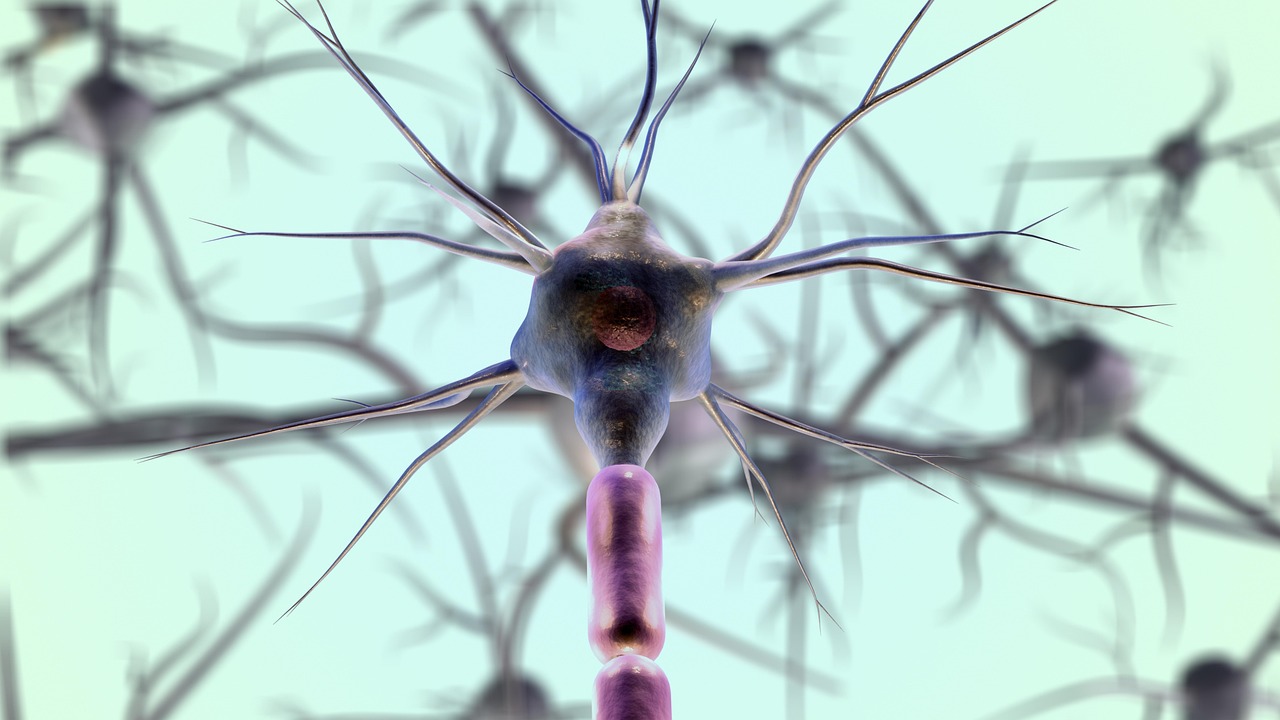
In religious contexts, the soul is often linked to morality and consciousness. For instance, Christianity teaches that the soul is eternal and will face judgment after death. In contrast, Buddhism views the soul as an illusion, emphasizing the concept of 'anatta' or non-self. So, right off the bat, we see a massive divide in beliefs. But here’s the kicker: science doesn’t really play in this arena. Neuroscience suggests that what we think of as consciousness is a product of brain activity—like a complex computer processing information.
But what if there’s more? What if the soul is something we can’t measure or quantify? This is where it gets interesting. Some scientists, like physicist Max Tegmark, propose that consciousness could be a fundamental aspect of the universe, akin to space and time. So, is it possible that our souls are tied to the very fabric of reality? But wait—that's not even the crazy part.
The Philosophical Debate: Are We More Than Our Bodies?
Let’s dive into the philosophical rabbit hole. René Descartes famously said, 'I think, therefore I am.' He believed that the mind and body were separate, which opens the door to the idea of a soul. If our thoughts and consciousness are distinct from our physical selves, could that mean we have a soul?
On the flip side, materialists argue that everything about us can be explained through biology and chemistry. They see the brain as the source of all thoughts and feelings, dismissing the idea of a soul as outdated. It’s like trying to explain a beautiful painting by only talking about the canvas and paint—there’s so much more to the experience.
But here’s a twist: studies show that many people report experiences that feel 'soulful.' Near-death experiences, for example, often involve sensations of floating above one’s body or encountering a bright light. These experiences are so common that they can’t just be brushed aside. Could they be glimpses of something beyond our physical existence? And if so, what does that mean for our understanding of the soul?
Scientific Perspectives: What Does Neuroscience Say?
Philosophical Views Through Time
1637
Descartes' Dualism
Mind and body are separate.
19th Century
Materialism Gains Traction
Focus on biology and chemistry.
Alright, let’s get into the science. Neuroscience has made huge strides in understanding consciousness. Brain scans reveal how different areas of the brain activate during various thoughts and emotions. It’s like watching a city light up at night—each light representing a different thought or feeling.
But here’s the twist: despite all this knowledge, we still can’t pinpoint where consciousness actually resides. It’s like knowing every street in a city but not being able to find the center. Some scientists, like David Chalmers, argue that consciousness is a 'hard problem'—something that might never be fully explained.
So, could the soul be tied to this elusive consciousness? Some researchers suggest that consciousness might exist outside of the brain, hinting at a more profound reality. This is where it gets wild—what if our consciousness, or 'soul,' is a fundamental part of the universe, not just a byproduct of our biology? But wait, that’s just scratching the surface.
Cultural Perspectives: How Different Religions View the Soul
Key Figures in Soul Research
42%
Belief in an afterlife
Global average.
3.8B
Religious adherents
Worldwide.
1,200
Studies on consciousness
Conducted in the last decade.
7th
Most common belief
In reincarnation.
Let’s zoom out and look at how different cultures interpret the soul. In Hinduism, the soul, or 'atman,' is eternal and undergoes reincarnation. This belief suggests that our actions in this life affect our next life, creating a cycle of rebirth. It’s like a video game where you level up based on your choices.
In contrast, many Western religions, like Christianity and Islam, view the soul as a singular entity that faces judgment after death. This perspective emphasizes morality and the consequences of our actions in this life.
But here’s the kicker: some Indigenous cultures see the soul as interconnected with nature and the universe. They believe that everything has a spirit, creating a web of life that ties us all together. This view can be incredibly liberating, suggesting that we are part of something larger. So, which perspective resonates with you? And how does that shape your understanding of your own soul?
Personal Experiences: Can Anecdotes Provide Insight?
Surprising Insights
Many cultures see the soul as interconnected.
Near-death experiences are reported by millions.
Now, let’s get personal. Have you ever had a moment that felt transcendent? Maybe it was a profound connection with someone, a moment of clarity, or even a near-death experience. These anecdotes often point to something deeper, something that feels like a soul.
Studies show that about 18% of people report having had a near-death experience. Many describe feelings of peace, detachment from their bodies, and encounters with deceased loved ones. It’s like stepping into another realm, even if just for a moment. These experiences can’t be easily dismissed as mere hallucinations.
So, could these moments be evidence of a soul? Or are they just the brain’s way of coping with extreme situations? This is where the line between science and spirituality blurs. And that’s where the real magic happens—when we start to explore the unknown.
The Future of Soul Research: What Lies Ahead?
Looking ahead, the quest to understand the soul is far from over. As technology advances, we’re beginning to explore consciousness in new ways. Brain-computer interfaces, for example, could one day allow us to interact with our thoughts in ways we never imagined. It’s like upgrading to a new operating system.
But this raises questions: if we can manipulate consciousness, does that change our understanding of the soul? Are we just advanced machines, or is there something more?
As we continue to explore these questions, the dialogue between science, philosophy, and spirituality will only deepen. The quest for understanding our essence is a journey that may never end, but that’s what makes it so exciting. So, what do you think? Are we more than just our bodies? Or is the soul just a beautiful story we tell ourselves?
Beliefs About the Soul Across Cultures
| Culture/Religion | View of the Soul |
|---|---|
| Christianity | Eternal and judged after death |
| Hinduism | Reincarnated based on karma |
| Buddhism | No permanent soul, focus on enlightenment |
| Indigenous Cultures | Interconnected with nature and spirit |
Procedural Breakdown
Reflect
Consider your own beliefs about the soul.
Explore
Research various cultural perspectives.
Engage
Discuss with others to gain new insights.
Question
Challenge your assumptions about existence.
Frequently Asked intel
Can science prove the existence of a soul?
Currently, science cannot definitively prove the existence of a soul, as it often relies on measurable phenomena.
What do different religions say about the soul?
Religions vary widely; some see the soul as eternal, while others view it as an illusion.
Are near-death experiences evidence of the soul?
Many report transformative experiences during near-death situations, suggesting a deeper reality, but interpretations vary.
Dig deeper into the rabbit hole
Verified Data Sources
Recent Intel & Headlines
Cross-Network News Feed
Do Humans Have Souls? The Ancient Question We Keep Asking (Part I) - The Review of Religions
The Soul of the Gaps - Skeptic
Do We Have Souls—And Can We Prove It? - Catholic Answers
Global headlines indexed via Google News RSS Search Protocol