The Midnight Anomaly of Why Time Feels Faster Now

A child’s perception of a year is 20% of their life, while for an adult, it’s only 2.5%.
Executive Summary / Key Takeaways
Let’s dive into something that’s been bugging you, me, and probably everyone we know: why does time feel like it’s speeding up? Seriously, one minute you’re celebrating New Year’s, and the next, it’s December again. What gives?
Why Do We Feel Time Speeding Up?
Perception of Time
20%
Child's perception of a year
2.5%
Adult's perception of a year
Source: Psychological Studies
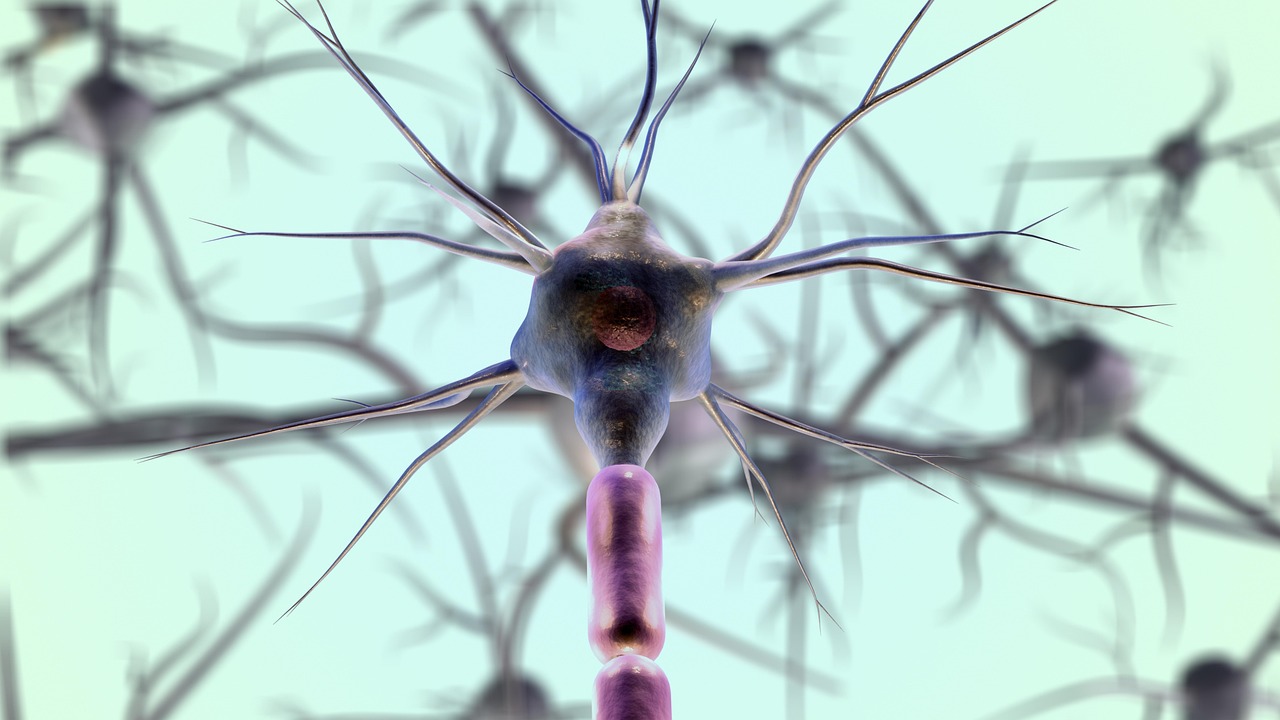
Okay, so here’s the deal. When we’re kids, everything is new. Think about it: the first time you ride a bike, your first day of school, or even just trying broccoli for the first time. Each of these moments is packed with novelty. Your brain is working overtime to process all that new information, and it makes time feel longer.
But as we grow older, life settles into a rhythm. Routines take over. We wake up, go to work, come home, binge-watch our favorite shows, and repeat. This is where it gets tricky. Our brains start to recognize patterns, and when things become predictable, they don’t get stored in our memory as vividly. So, the days blur together, and suddenly, a year feels like a blink.
Research backs this up. A study found that as we age, our brains become less efficient at encoding memories. This means fewer unique experiences translate into a feeling of time flying by. It’s like scrolling through your phone: if you see the same posts over and over, you lose track of time. And that’s not even the crazy part!
The Role of Technology in Our Perception of Time
Routine vs. New Experiences
Research shows new experiences slow down our perception of time.
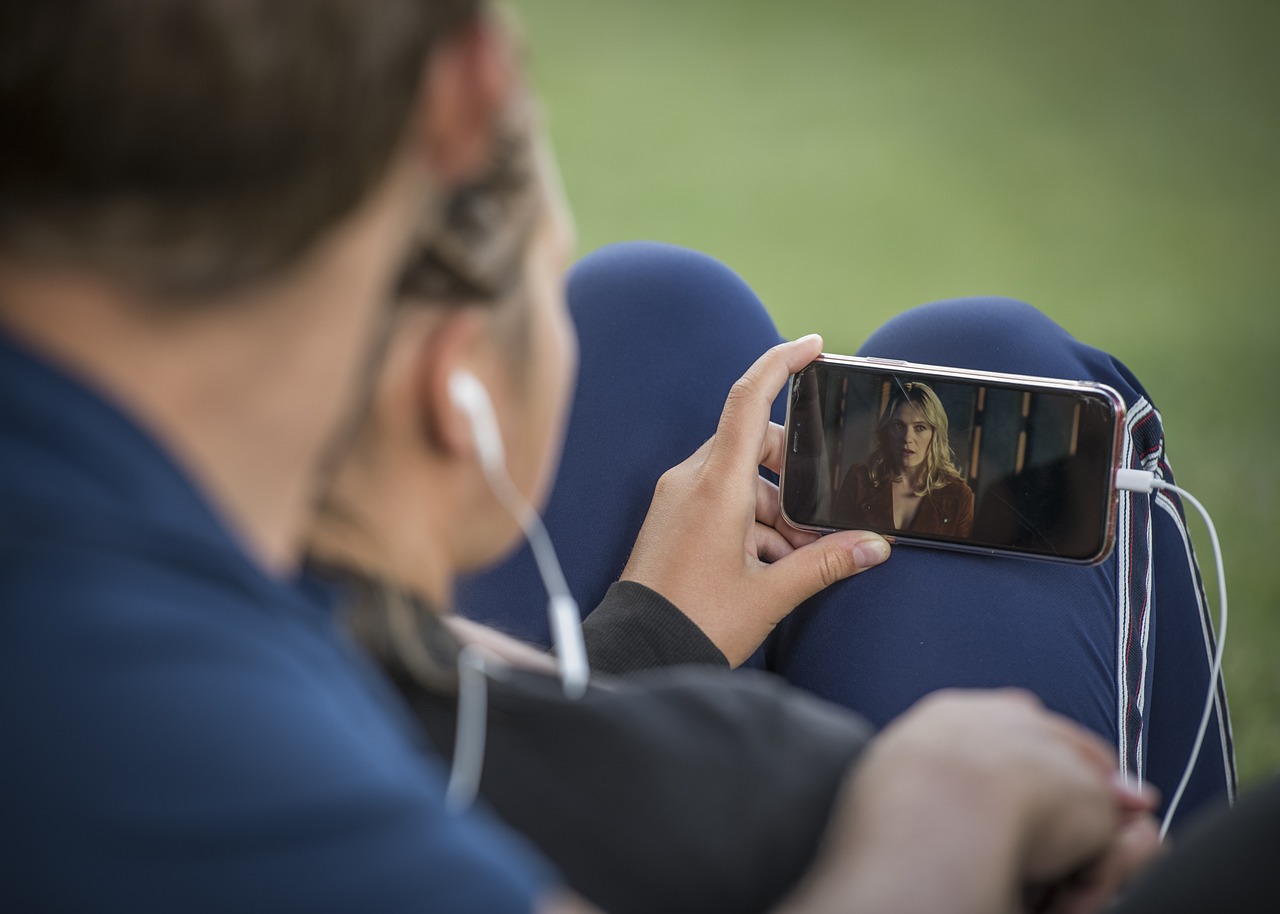
Now, let’s talk tech. We live in a world where our phones are constantly buzzing, notifications are piling up, and social media is a never-ending scroll. This constant barrage of information is like a double-edged sword. On one hand, it keeps us connected and informed. On the other, it can warp our sense of time.
Think about how often you check your phone. You might think, 'I’ll just look for a minute,' but then an hour passes. This isn’t just you being distracted; it’s a psychological trick. Each time you engage with a new piece of information, your brain gets a little dopamine hit, making you want more. It’s like a video game where you keep leveling up, but instead of gaining time, you’re losing it.
Studies show that people who spend more time on screens report feeling like time passes faster. It’s not just anecdotal; it’s a real phenomenon. Our brains are wired to respond to novelty, and when everything is constantly changing, it can feel like time is slipping away. But wait, there’s more!
How Age Changes Our Experience of Time
Life Stages and Time Perception
Childhood
Time feels longer due to novelty
Adulthood
Time feels shorter due to routine
Here’s where it gets even more interesting. As we age, our internal clocks tick differently. Young children experience time differently than adults. For them, a year is a significant portion of their lives. For us, it’s just a blip. This is partly due to the way we process memories. The more experiences we have, the more we can anchor ourselves in time.
Imagine being five years old. A year feels like forever because it’s 20% of your life. Now, at 40, a year is only 2.5% of your life. The ratio changes, and suddenly, the years start to fly by. It’s like trying to remember a dream. The more time passes, the fuzzier it gets. The brain prioritizes new experiences, and as adults, we have fewer of those.
So, when you say, 'Where did the time go?' you’re not alone. It’s a common feeling, and it’s backed by science. Our perception of time is influenced by age, experiences, and how we process those experiences. But that’s not even the craziest part!
The Impact of Routine on Time Perception
Key Findings
42%
Adults feeling time flies
3.8B
Social media users affected
1,200
Average notifications per day
7th
Most common feeling among adults
Let’s dig into routines. Routines are great for productivity but can be terrible for our perception of time. When every day looks the same, our brains don’t have much to latch onto. It’s like watching the same movie over and over again; eventually, you stop paying attention.
In fact, studies have shown that people who break out of their routines—traveling, trying new hobbies, or even just changing their commute—report feeling like time slows down. It’s all about creating new memories. When we do something different, our brains have to work harder to process that information, making the time feel fuller.
So, if you want to feel like time is stretching out, mix it up! Take a different route to work, try a new restaurant, or pick up a hobby you’ve never done before. The more new experiences you have, the more time will feel like it’s expanding. But wait, there’s still more to uncover!
Coping with the Speed of Time
Surprising Insights
New experiences can slow down time perception
Mindfulness practices enhance time awareness
So, what can we do about it? First off, acknowledge that feeling. It’s normal! Next, start being intentional about your time. Set aside moments to reflect, to breathe, to just be. Mindfulness practices can help slow down your perception of time. When you’re fully present, each moment feels richer.
Another tip? Keep a journal. Writing down your experiences can help solidify them in your memory. It’s like creating a time capsule of your life. When you look back, those moments will feel more substantial, and time will seem less fleeting.
And don’t forget to embrace change. Life is constantly evolving, and so should you. Seek out new experiences, challenge yourself, and don’t shy away from the unfamiliar. The more you fill your life with unique moments, the slower time will feel. But here’s the kicker: it’s all about perspective!
Perception of Time Across Ages
| Age Group | Perception of Time |
|---|---|
| Children | Time feels longer |
| Adults | Time feels shorter |
Procedural Breakdown
Reflect on your routine
Identify areas where you can introduce new experiences.
Practice mindfulness
Engage in activities that promote being present.
Keep a journal
Document your experiences to enhance memory retention.
Frequently Asked intel
Why does time feel faster as we age?
As we age, we have fewer new experiences, causing time to feel like it's speeding up.
Can technology make time feel faster?
Yes, constant notifications and information overload can blur our perception of time.
How can I slow down my perception of time?
Engage in new experiences, practice mindfulness, and break routines.
Dig deeper into the rabbit hole
Verified Data Sources
Recent Intel & Headlines
Cross-Network News Feed
How to alter the passage of time to feel fast or slow - Psyche
Making sense of the passage of time. - Psychology Today
Why is time going so fast and how do I slow it down? - The Conversation
Global headlines indexed via Google News RSS Search Protocol