The Brain's Emergency Broadcast System: Why Your Phone Feels Like a Slot Machine That Only Pays Out in Bad News
The average person spends 2.5 hours daily on social media—that's 38 full days a year scrolling, with a significant portion devoted to consuming negative news.
Executive Summary / Key Takeaways
You know the feeling. It's 2 AM, your thumb is moving on its own, and you're six articles deep into some geopolitical crisis you can't control. And you can't stop.
Your Brain Treats Bad News Like a Saber-Toothed Tiger
The Doomscrolling Time Sink
2.5 hours
Daily social media use
38 days
Yearly equivalent
Based on average daily use
DataReportal Digital 2023 Global Overview
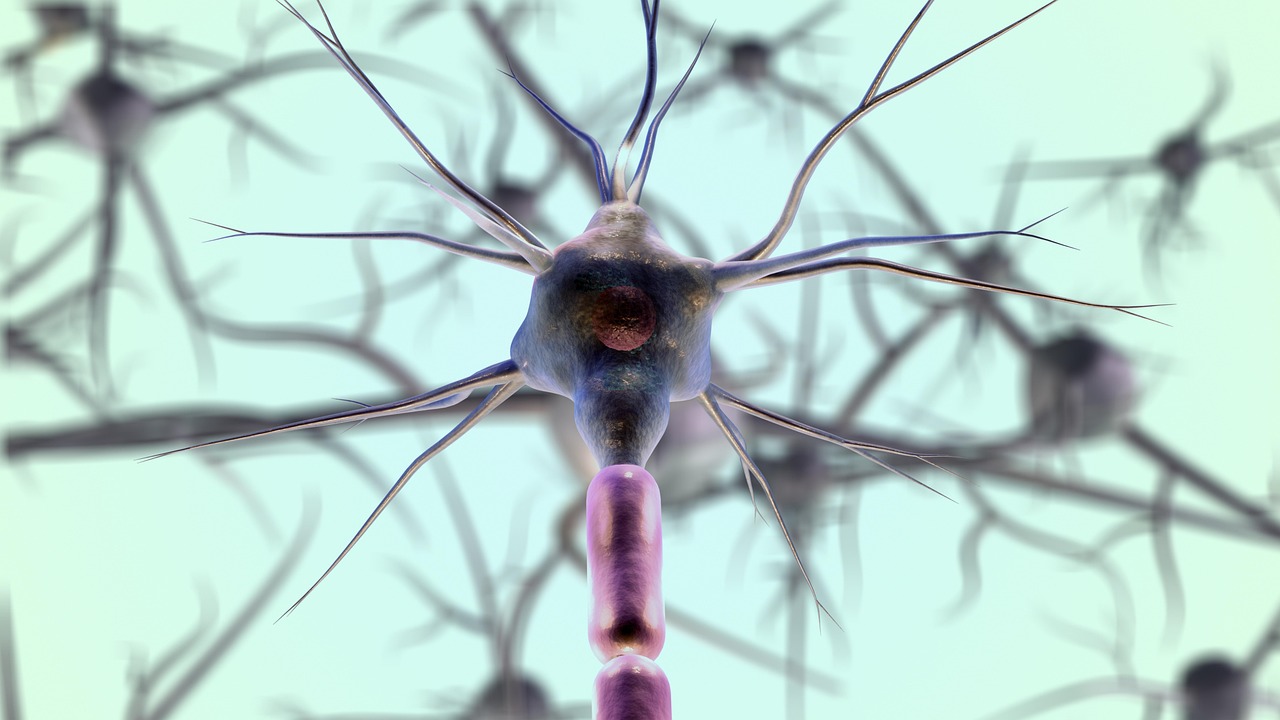
Think about the last time you saw a snake. Even a picture. Your body reacted before your mind did, right? That's your amygdala—the brain's alarm bell—screaming "DANGER" based on a pattern it learned millions of years ago.
Now replace the snake with a headline. "Stock Market Plummets." "New Superbug Emerges." "Climate Report Worse Than Feared."
Your amygdala can't tell the difference. It sees threat, it sounds the alarm. Cortisol and adrenaline flood your system. Your heart rate ticks up. Your focus narrows. You're now in a state of heightened alert.
And here's the twist: that state feels awful, but it also feels important. Your brain is convinced you're doing crucial survival work. Scanning the horizon for threats. Gathering intelligence. It's giving you a shot of purpose along with the panic.
This is called negativity bias. Your brain weighs negative information as more urgent, more memorable, and more meaningful than positive information. Studies show it takes about five positive experiences to balance out the psychological impact of one negative one.
So when you're scrolling through a feed of disasters, your brain isn't bored. It's activated. It's doing the job it evolved to do. The problem is, the horizon it's scanning is infinite, and the threats are simulated.
The Slot Machine in Your Pocket: How Algorithms Mastered Your Dopamine
Okay, so your brain is primed to look for threats. But why does it want to keep looking once it finds them?
Enter dopamine. Not the "pleasure chemical" like everyone says—that's outdated. Dopamine is the anticipation chemical. It's what you feel when you're about to get a reward. The itch before the scratch.
Social media feeds are engineered like slot machines. You pull the lever (scroll) not knowing what you'll get. Most pulls are duds. A meme. A vacation photo. A sponsored ad.
But sometimes—bing—you hit the jackpot. A piece of news that confirms your fears. A detail that makes a crisis feel more real. A comment that makes you angry.
That's the payout. Your brain gets a hit of dopamine not from the bad news itself, but from the resolution of uncertainty. "Ah, there it is. The thing I was worried about." The itch is scratched. For about eight seconds.
Then the itch comes back. Because the slot machine has infinite reels. And the algorithm learned that negative, emotional content keeps you scrolling 64% longer than neutral content. It's not trying to depress you. It's trying to keep you engaged. And your brain's threat-detection system is the easiest lever to pull.
This creates a perfect feedback loop. Your ancient brain seeks threats. The modern algorithm serves them up. Your chemical reward system celebrates finding them. Rinse. Repeat. Until you look up and an hour is gone and your chest is tight.
It's the same reason optical illusions fool our brains—your neural wiring gets exploited by clever patterns.
The Illusion of Control: Why Knowing Feels Like Doing
The Evolution of Doomscrolling
2018
Term coined
"Doomscrolling" enters lexicon
2020
Pandemic surge
WHO declares "infodemic"
2022-Present
Algorithm optimization
Platforms maximize engagement with emotional content
Etymology and media analysis
Here's the part that really gets me. Doomscrolling feels productive. It feels like preparedness. Like if you just consume enough information, you'll somehow be safe. Or at least not surprised.
This is called the illusion of explanatory depth. You confuse understanding a problem with solving it. Reading your tenth article about supply chain issues doesn't fix them. But it makes you feel like you're in the loop. Like you have agency.
In a world that feels increasingly chaotic and uncontrollable, your phone becomes a command center. Every scroll is a new data point. Every article is a briefing. You're the general surveying the battlefield from your couch.
And there's a social component, too. When everyone else is talking about the latest crisis, knowing the details becomes social currency. Being uninformed feels like a risk. Not just of actual danger, but of social exclusion. "You haven't heard about the new variant?"
So you scroll to belong. To feel connected. To avoid the anxiety of being left out of the collective worry. It's FOMO, but for fear itself.
This ties directly into why we experience things like déjà vu—that eerie sense of familiarity in unfamiliar situations. Your brain is constantly trying to map new information onto old patterns to create a sense of predictability.
Breaking the Spell: Why Willpower Isn't Enough
The Brain's Negativity Bias
5:1
Positivity ratio needed
Positive to negative experiences for balance
300ms
Threat detection speed
Amygdala response time to negative stimuli
2x
Memory advantage
Negative events remembered better
Psychological research synthesis
So you know it's bad for you. You feel worse after doing it. Why can't you just stop?
Because you're not fighting a habit. You're fighting biology backed by billion-dollar design. Telling someone to "just stop doomscrolling" is like telling someone to "just ignore hunger." The signals are coming from too deep in the system.
The apps are designed to be compulsive. Infinite scroll removes natural stopping points. Notifications are timed to trigger when you're most vulnerable (evenings, weekends, moments of boredom). The content is curated to maximize emotional response.
And your brain has literally rewired itself. Neuroscientists call this neuroplasticity. The neural pathways you use most get stronger. Every time you reach for your phone when anxious, you're paving that road a little smoother. Soon, it's the default highway.
The good news? You can build different roads. But it takes more than intention. It takes changing your environment.
Turn off notifications. Use app timers. Charge your phone outside your bedroom. Follow accounts that deliberately post solutions, not just problems. When you feel the urge to scroll, ask: "Am I looking for information, or am I looking for a feeling?"
Because most of the time, you're not actually curious about geopolitical analysis at midnight. You're trying to manage anxiety. And there are better tools for that. A walk. A conversation. Even just five minutes of breathing.
Your brain will fight you. It will whisper that you're missing something vital. That's the ancient alarm system talking. Thank it for trying to protect you. Then put the phone down anyway.
The world's problems will still be there in the morning. And you'll be better equipped to face them with a rested mind than a frazzled one.
The Doomscrolling Feedback Loop: How Each Component Reinforces the Others
| Brain System | What It Does | How Platforms Exploit It |
|---|---|---|
| Amygdala (Threat Detection) | Flags negative information as urgent survival data | Prioritizes alarming headlines and emotional content |
| Dopamine System (Anticipation) | Rewards uncertainty resolution with pleasure chemicals | Uses variable rewards (like/unlike counts, new content) |
| Prefrontal Cortex (Control) | Manages impulses and decision-making | Overwhelmed by infinite scroll and notification streams |
| Social Cognition | Seeks belonging and status within group | Creates FOMO around being uninformed about crises |
Procedural Breakdown
Recognize the trigger
Notice when you reach for your phone—is it boredom, anxiety, or habit?
Name the craving
Ask yourself: 'Am I looking for information, or am I trying to manage a feeling?'
Change the environment
Turn off notifications, use app timers, charge phone outside bedroom
Replace the behavior
When urge hits, do something physical instead: walk, stretch, breathe for 5 minutes
Curate your feed
Follow accounts that post solutions, not just problems. Balance negative with constructive content
Frequently Asked intel
Is doomscrolling actually addictive?
Yes, in a behavioral sense. It triggers the same dopamine response patterns as gambling or compulsive behaviors, creating a reinforcement loop that's difficult to break without conscious intervention.
Why do I feel physically anxious after doomscrolling?
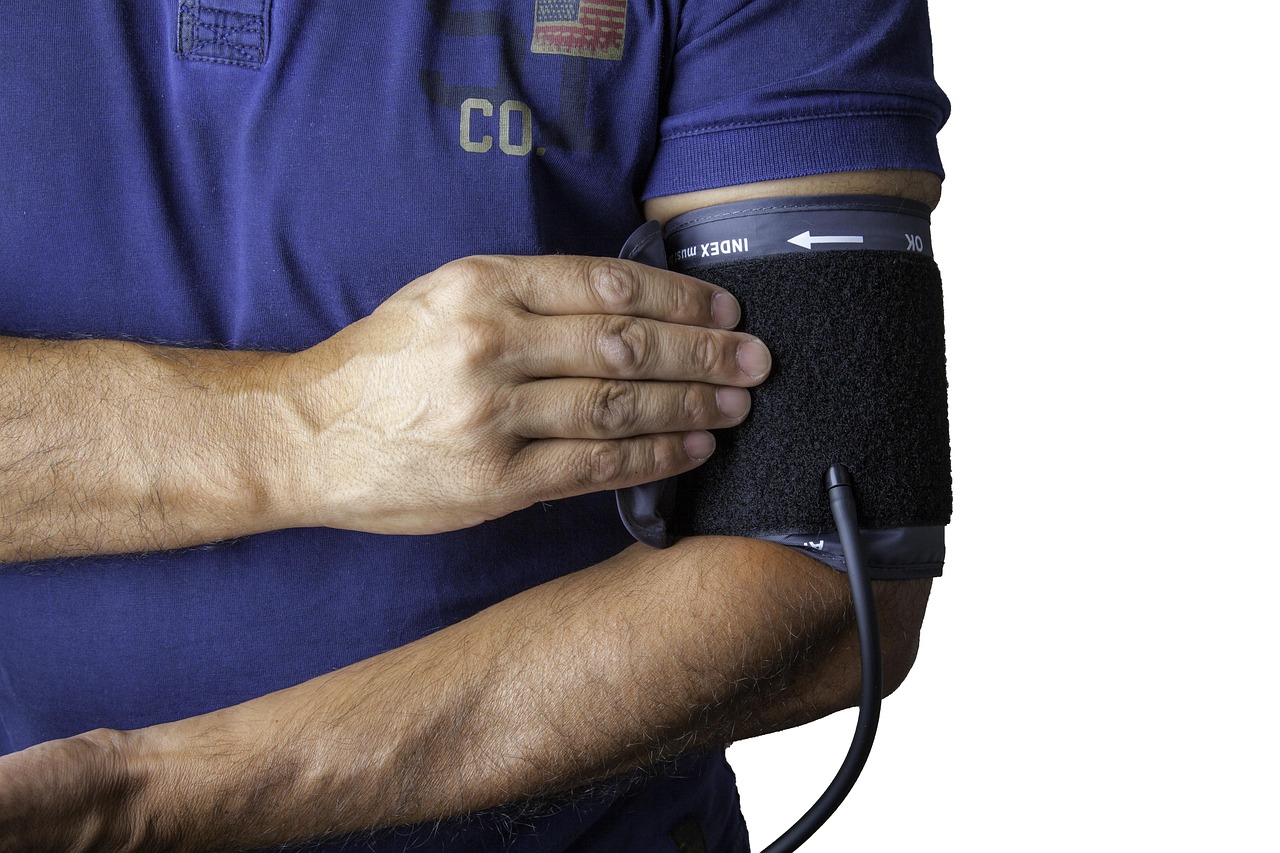
Your body releases cortisol and adrenaline in response to perceived threats—even digital ones. This creates real physiological stress responses: increased heart rate, muscle tension, and shallow breathing.
Can doomscrolling cause long-term mental health issues?
Chronic exposure to negative news without balance is linked to increased anxiety, depression symptoms, and helplessness. It's not just about mood—it can actually change your brain's default threat-assessment settings over time.
Dig deeper into the rabbit hole
Verified Data Sources
Recent Intel & Headlines
Cross-Network News Feed
Doomscrolling - tips for healthier news consumption - Mental Health Foundation
Doomscrolling Is Quietly Rewiring Your Brain – Here's How to Break the Habit for Good - Men's Health
Opinion: We must escape doomscrolling to reclaim control over our lives - Daily Bruin
Global headlines indexed via Google News RSS Search Protocol