The Midnight Anomaly of Why Do People Procrastinate
Procrastination affects approximately 20% of adults, leading to increased stress and missed opportunities.
Executive Summary / Key Takeaways
Ever found yourself scrolling through social media when you should be working on that important project? You're not alone. Procrastination is a universal experience, but why do we do it?
What Makes Us Put Things Off?
Procrastination Prevalence
20%
Adults who procrastinate
1 in 5
Percentage of the population
Source: Psychological studies
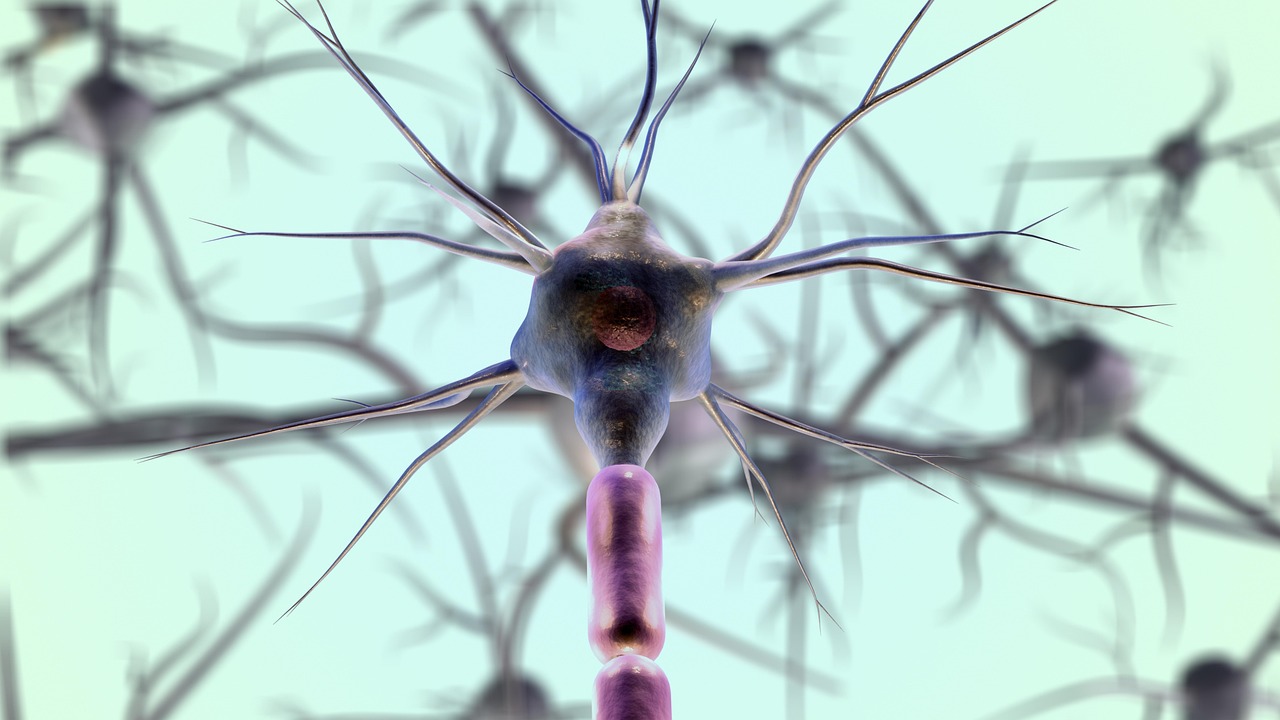
Procrastination often boils down to a mix of fear and desire. You might think, 'I’ll do it later,' but what’s really happening is a little more complicated. When faced with a daunting task, our brains can go into overdrive, triggering anxiety. This anxiety can be paralyzing, making the couch or your phone seem way more appealing than that looming deadline.
Think of it like this: imagine you’re standing at the edge of a diving board. The water below looks deep and dark, and suddenly, you start second-guessing everything. That’s your brain trying to protect you from potential failure. But here’s the kicker: the longer you stand there, the more daunting the jump becomes.
Research shows that about 20% of adults are chronic procrastinators. That’s one in five people! It’s not just a quirk; it can seriously impact your life. The consequences can range from missed deadlines to increased stress levels. So, what’s the deal with this behavior? Why do we keep hitting that snooze button on our responsibilities?
The Hidden Layer of Procrastination: Emotional Regulation
Here’s the part that doesn’t get talked about enough: procrastination is often about emotions. It’s not just about time management; it’s about how we manage our feelings. When tasks feel overwhelming, we might avoid them to escape discomfort. This is where emotional regulation comes into.
Imagine you’re faced with a project that requires creativity. If you’re not feeling inspired, the thought of starting can feel like climbing a mountain. Instead of tackling it, you might binge-watch a series. It feels good in the moment, right? But then comes the guilt. It’s a vicious cycle.
Studies have shown that people who struggle with emotional regulation are more likely to procrastinate. They might use avoidance as a coping mechanism. It’s like putting a Band-Aid on a deeper wound. You’re not addressing the root cause, just the symptoms.
And get this: the you procrastinate, the more your anxiety grows. It’s like a snowball effect. The looming tasks bigger monsters in your mind, making it even harder to get started.
Is Perfectionism Fueling Your Procrastination?
Procrastination Over Time
1970
First major studies
on procrastination behavior
2020
Rise in reported procrastination
due to remote work and pandemic stress
Let’s talk about perfectionism. You might think it’s a good thing, but it can be a double-edged sword. Perfectionists often set unrealistically high standards for themselves. When they can’t meet those standards, they might freeze up instead of moving forward.
Picture this: you’re writing a paper, and you want it to be perfect. You spend hours tweaking the introduction but never finish the rest. It’s like trying to build a house but getting stuck on the paint color.
Research indicates that perfectionism is strongly linked to procrastination. It creates a fear of failure that can be paralyzing. Instead of taking action, perfectionists might avoid tasks altogether, thinking, 'If I can’t do it perfectly, why bother at all?' This mindset can lead to missed opportunities and increased stress.
But here’s the twist: embracing imperfection can actually help you break the cycle. By allowing yourself to be 'good enough,' you can free up mental space and start making progress.
Social Influences: Are You a Product of Your Environment?
Key Figures on Procrastination
42%
of students procrastinate regularly
3.8B
hours wasted annually
1,200
tasks left undone per person
7th
most common stressor
Now, let’s dive into the social aspect of procrastination. Your environment plays a huge role in your habits. If you’re surrounded by people who procrastinate, guess what? You’re more likely to fall into that same pattern.
Think about it: if your friends are always putting off their responsibilities, it can feel normal to do the same. It’s like a group project where no one wants to take the lead. You end up waiting for someone else to make the first move.
Studies show that social norms can significantly influence procrastination behavior. If everyone around you is putting things off, it can create a culture of delay. But here’s the kicker: you can break that cycle. Surrounding yourself with motivated individuals can inspire you to take action.
So, the next time you find yourself procrastinating, take a look around. Are your friends in the same boat? Maybe it’s time to shift your circle or set some new group goals.
How to Break the Cycle of Procrastination
Surprising Insights on Procrastination
Procrastination can increase anxiety
leading to a vicious cycle.
It’s often linked to emotional regulation issues
not just time management.
Alright, so you’re probably wondering how to tackle this procrastination beast. The good news? There are strategies that can help you break the cycle. First up, try setting smaller, achievable goals. Instead of saying, 'I’ll finish my project,' break it down into bite-sized tasks. This makes it feel less overwhelming.
Another tactic is to use the Pomodoro Technique. Work for 25 minutes, then take a 5-minute break. It’s like giving yourself mini-rewards for staying focused. This can help you build momentum without feeling burnt out.
And don’t forget about accountability. Share your goals with someone else. When you know someone is rooting for you, it can provide that extra push to get started.
Lastly, practice self-compassion. Remember, everyone struggles with procrastination at some point. Be kind to yourself and focus on progress, not perfection. It’s all about taking those small steps forward.
Procrastination Statistics
| Statistic | Value |
|---|---|
| Adults who procrastinate | 20% |
| Students who procrastinate | 42% |
| Hours wasted annually | 3.8B |
Procedural Breakdown
Identify triggers
Recognize what tasks you tend to procrastinate on and why.
Set achievable goals
Break tasks into smaller, manageable parts.
Use time management techniques
Try methods like the Pomodoro Technique to stay focused.
Seek accountability
Share your goals with someone who can help keep you on track.
Practice self-compassion
Be kind to yourself and remember that everyone struggles with procrastination.
Frequently Asked intel
Is procrastination a sign of laziness?
Not necessarily. Procrastination often stems from deeper emotional issues, not just a lack of motivation.
How can I stop procrastinating?
Start by breaking tasks into smaller steps and using techniques like the Pomodoro Technique.
Dig deeper into the rabbit hole
Verified Data Sources
Recent Intel & Headlines
Cross-Network News Feed
I tried to not procrastinate for a week. Here’s what helped the most - The Guardian
What happens in the brain when we procrastinate - National Geographic
Revenge Bedtime Procrastination: Why You Self-Sabotage at Night - Sleep Foundation
Global headlines indexed via Google News RSS Search Protocol