The Nervous Laugh That Breaks the Silence
The brain releases more endorphins during a genuine laugh than during 30 minutes of relaxation exercises—making nervous laughter one of the body's fastest-acting stress relievers.
Executive Summary / Key Takeaways
You're in a funeral. Someone says something completely inappropriate. Your chest tightens. And then—you snort. Loudly.
Why Your Brain Chooses Laughter When It Should Scream
The neurological traffic jam that causes nervous laughter
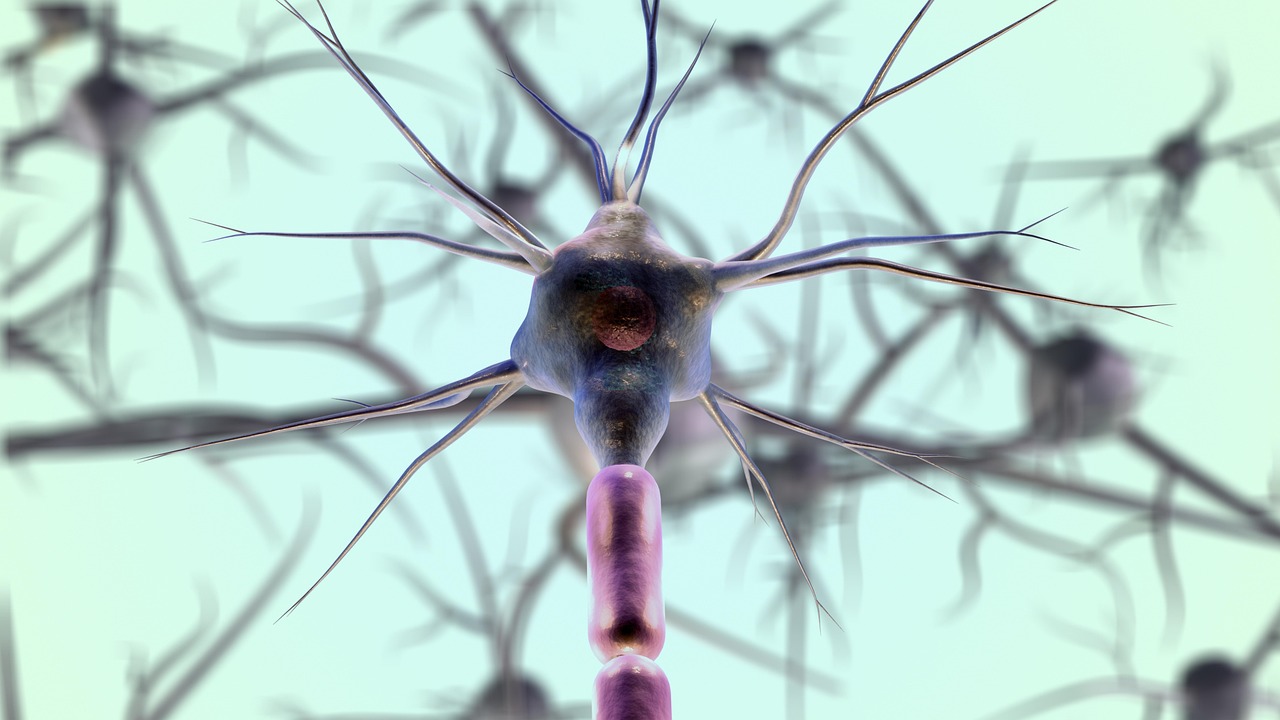
A simplified brain diagram highlighting the amygdala (threat detection) and prefrontal cortex (emotional control) with stress hormones flooding between them, illustrating the biological mechanism behind uncontrollable laughter
Think of your brain under tension like a overloaded circuit breaker.
When stress hits—that job interview, that awkward silence, that moment you realize you just sent the wrong text—your amygdala goes into red alert. It's the part that screams 'DANGER!' even when the danger is just social embarrassment.
Meanwhile, your prefrontal cortex, the calm manager who's supposed to handle these situations, gets flooded with cortisol. It's like trying to solve a complex math problem while someone's blaring an air horn in your ear.
When these two systems crash into each other, something has to give. And often, what gives is control.
Laughter is one of your body's fastest emotional releases. It's wired deeper than speech. Before humans had words, we had sounds—and laughter evolved as a social glue. So when your higher brain functions short-circuit, your body defaults to what it knows best.
It's not that you find the situation funny. It's that your brain has run out of better options.
And here's what nobody tells you: that laugh might actually be helping. When you laugh, even nervously, your body releases endorphins. Those are natural painkillers. They're dampening the stress response even as it's happening.
Your brain isn't malfunctioning. It's doing emergency maintenance.
The Ancient Social Code Hidden in Every Nervous Giggle
How ancient humans built connection into their architecture
Aerial view of an ancient circular stone structure like Karahan Tepe, showing how alignment and shared spaces created social cohesion—the architectural equivalent of nervous laughter's bonding function
Okay, but why laughter specifically? Why not just freeze or run?
Because laughter is social currency. Always has been.
Imagine early humans facing a predator. Total silence means everyone's terrified, which means someone's going to panic and ruin the hunt. But a tense chuckle? That signals 'I'm scared but I'm still here with you.'
It's a bonding mechanism that says 'we're in this together' without using words that might alert the threat.
This isn't just speculation. Look at how ancient cultures built communities. Take Karahan Tepe or Çayönü—these weren't just settlements. They were carefully arranged spaces designed to create social cohesion through shared experience and alignment.
Why do so many ancient cultures build circular or aligned structures? For the same reason we laugh when we're nervous: to create connection in the face of uncertainty.
When you laugh at a tense moment today, you're tapping into that same ancient programming. You're signaling to your tribe (even if your 'tribe' is just your date or your coworkers) that the tension hasn't broken the social contract.
It's a way of saying 'I'm still part of this group' when part of you wants to flee.
And get this—studies show groups that share nervous laughter during stressful tasks actually perform better afterward. The laughter isn't a distraction. It's a reset button.
When the Laugh Isn't Yours to Control

Why your laugh means different things in Tokyo vs Rome
An infographic comparing display rules across cultures, showing how nervous laughter is interpreted as disrespectful in some societies and tension-relieving in others
Now, sometimes it goes beyond social signaling.
There's a condition called pseudobulbar affect where the laughter (or crying) truly is uncontrollable. The brain's emotional regulation gets damaged—often from neurological conditions like MS, ALS, or traumatic brain injuries.
In these cases, the laughter isn't connected to emotion at all. It's like a wire getting crossed. The person might feel sad but laugh hysterically. Or feel nothing and still laugh.
It affects nearly 2 million people in the U.S. alone, but most have never heard of it.
And then there's the psychiatric angle. Paradoxical laughter—laughing at things that aren't funny—can be associated with conditions like schizophrenia or mania. But here's the crucial distinction: in those cases, the person often doesn't recognize the laughter as inappropriate. They genuinely find something humorous that others don't.
With nervous laughter in normal tension? You know it's awkward. You feel the mismatch. That awareness is what separates a neurological glitch from a social survival mechanism.
Your body might be laughing, but your mind is cringing. And that tension between the two? That's your prefrontal cortex finally coming back online, realizing what's happening, and trying to regain control.
The Cultural Rules Your Laughter Breaks
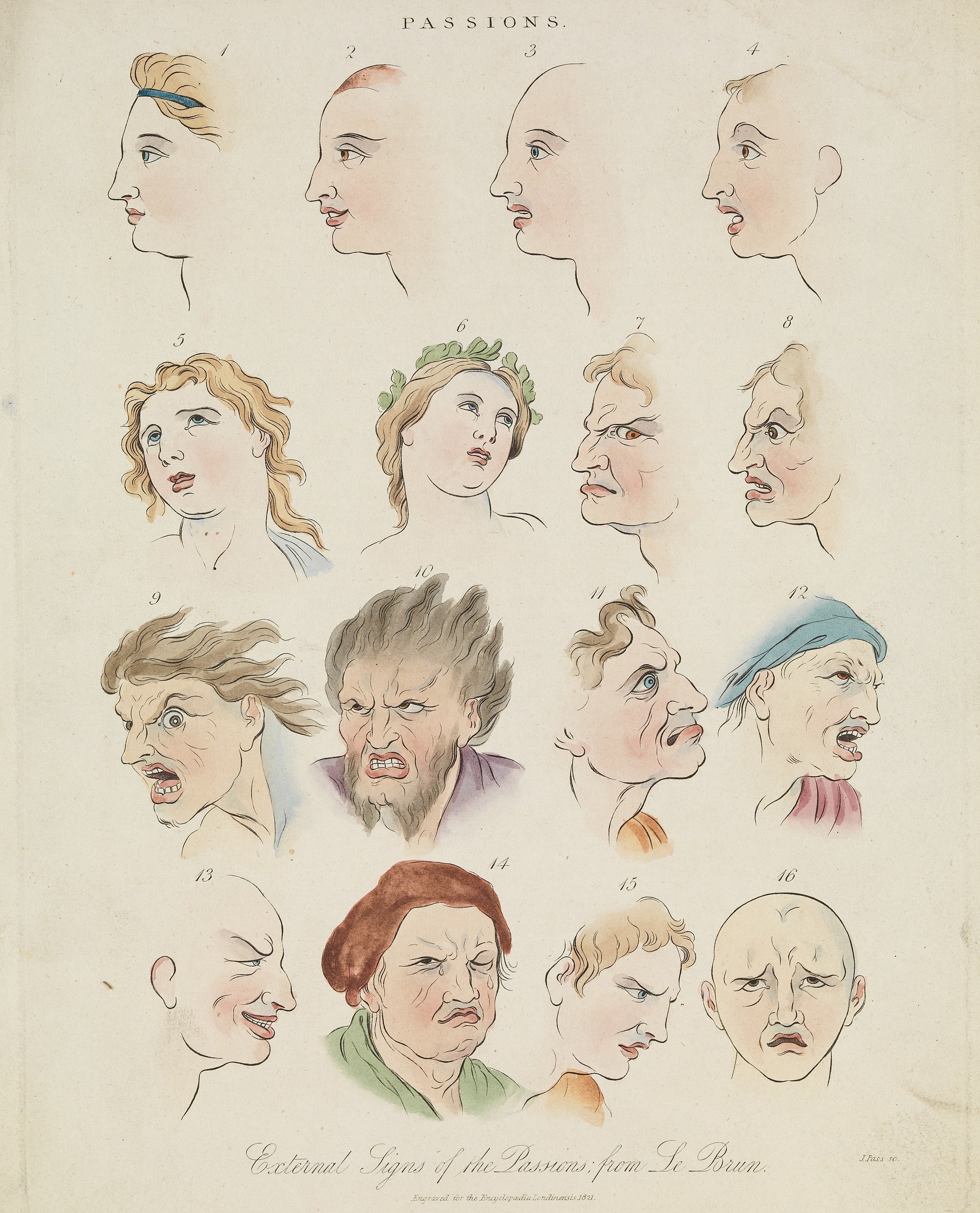
The chemical reward for awkward moments
A scientific visualization showing endorphin molecules flooding the brain during laughter, with comparative data showing higher release than during relaxation exercises
Here's where it gets messy: not all cultures read nervous laughter the same way.
In Japan, laughing in tense situations might be seen as deeply disrespectful. The social expectation is stoicism. In parts of the Middle East, laughter during serious discussions can undermine your credibility.
But in Italy? A tense chuckle during an argument might be read as keeping things light—a way to prevent escalation.
These differences trace back to what psychologists call 'display rules'—the unwritten codes about what emotions you show when.
In cultures with strict display rules, nervous laughter gets suppressed harder. Which means when it does slip out, the backlash is worse. The person isn't just dealing with their own embarrassment—they're violating a social contract.
Meanwhile, in cultures with looser display rules, that same laugh might be forgiven or even welcomed as tension relief.
Think about King Kamehameha uniting Hawaii. He didn't just conquer territories—he navigated complex social codes between different groups. A laugh in the wrong context could have meant war. In the right context, it might have sealed an alliance.
Your nervous laugh today carries that same weight of social negotiation. It's not just biology. It's diplomacy.
What Your Awkward Chuckle Says About Human Survival
Let's zoom out for a second.
If nervous laughter is so awkward, so potentially damaging socially, why did evolution keep it around?
Because the alternative is worse.
Without that release valve, stress hormones keep building. Cortisol stays elevated. Your body stays in fight-or-flight mode long after the threat is gone.
Chronic stress literally kills brain cells. It weakens your immune system. It makes you worse at solving the very problems causing the stress.
Nervous laughter is your body's way of hitting the emergency stop button on that cycle.
It's not elegant. It's not controlled. But it works.
Think of it like seismic activity. Tension builds along fault lines in the earth—pressure with nowhere to go. Eventually, it releases as an earthquake. Better to have small tremors regularly than one catastrophic quake.
Your nervous laugh is that tremor. It's releasing social pressure before it becomes psychological damage.
And here's the beautiful part: when you share that laugh with someone—when you both crack up at an awkward moment—you're synchronizing. Your heart rates actually start to match. Your breathing aligns.
You're not just breaking tension. You're creating connection through the break.
That's why the worst first dates have the best stories. That's why teams that survive crises become inseparable. The shared awkward laugh isn't a failure of composure. It's the foundation of trust.
What Happens in Your Body During Nervous Laughter
| Body System | Normal Stress Response | With Nervous Laughter |
|---|---|---|
| Brain Chemistry | Cortisol spikes, prefrontal cortex overwhelmed | Endorphins released, cortisol partially blocked |
| Heart Rate | Remains elevated | Brief drop during laugh, then stabilizes faster |
| Social Perception | Seen as tense or anxious | Can be seen as awkward but humanizing |
| Recovery Time | 20-30 minutes for hormones to normalize | 10-15 minutes with laughter-assisted recovery |
Procedural Breakdown
Stress Trigger
A tense situation activates your amygdala, flooding your system with cortisol and adrenaline
Cognitive Overload
Your prefrontal cortex—responsible for appropriate responses—gets overwhelmed by stress hormones
Default to Primitive Response
With higher functions compromised, your brain defaults to laughter, one of our most ancient social signals
Chemical Release
The act of laughing triggers endorphin release, naturally dampening the stress response
Social Recalibration
The laugh serves as a social signal, either breaking tension or strengthening bonds through shared experience
Frequently Asked intel
Is nervous laughter a sign of mental illness?
Usually not. While paradoxical laughter can be associated with certain conditions, most nervous laughter in tense situations is a normal stress response. The key difference is awareness—if you recognize the laughter as inappropriate, it's likely just social anxiety, not pathology.
Can you stop yourself from nervous laughing?
You can reduce it by managing stress beforehand—deep breathing, grounding techniques—but once the laugh is building, it's hard to stop completely. It's like trying to hold back a sneeze. Better to redirect it into a cough or excuse yourself briefly than fight it.
Why do some people nervous laugh more than others?
Individual differences in amygdala sensitivity, childhood experiences with emotional expression, cultural background, and general anxiety levels all play roles. Some brains are just wired with hair-trigger laugh responses to stress.
Dig deeper into the rabbit hole
Verified Data Sources
Recent Intel & Headlines
Cross-Network News Feed
Why you laugh when you feel uncomfortable and what your brain is really doing - The Times of India
What Is Emotional Lability? - Verywell Mind
Nosebleeds and crying during orgasm are rare — but normal responses, researchers stress - The Independent
Global headlines indexed via Google News RSS Search Protocol