The Healing Symphony: How Music Mends Emotional Trauma

Music therapy can reduce PTSD symptoms by up to 63%, a staggering statistic that underscores its effectiveness.
Executive Summary / Key Takeaways
Imagine a soldier returning from war, haunted by memories that refuse to fade. Now, picture him finding solace in a haunting melody that echoes the pain he cannot express. This is not just a poetic vision; it’s a testament to the transformative power of music.
What is the Science Behind Music's Healing Power?

Ancient rituals using music for healing.
A depiction of ancient civilizations engaging in musical rituals aimed at emotional and spiritual healing.
Music is more than just sound; it's a complex interplay of vibrations that resonate with our very being. Neuroscientific studies have shown that music activates the brain's reward system, releasing dopamine—the feel-good neurotransmitter. This biochemical response can alleviate feelings of anxiety and depression, making music a natural antidote for emotional trauma.
In a study published in the journal Psychological Science, researchers found that listening to music can significantly enhance emotional regulation. Participants who engaged with music reported lower levels of stress and anxiety, showcasing music's ability to transform emotional landscapes.
But wait, it gets stranger. The therapeutic effects of music extend beyond mere enjoyment; they can physically alter brain chemistry. Music therapy has been shown to increase serotonin levels, a crucial hormone for mood stabilization. This biochemical shift can be vital for individuals grappling with the aftermath of trauma.
How Has Music Been Used as a Healing Tool Throughout History?

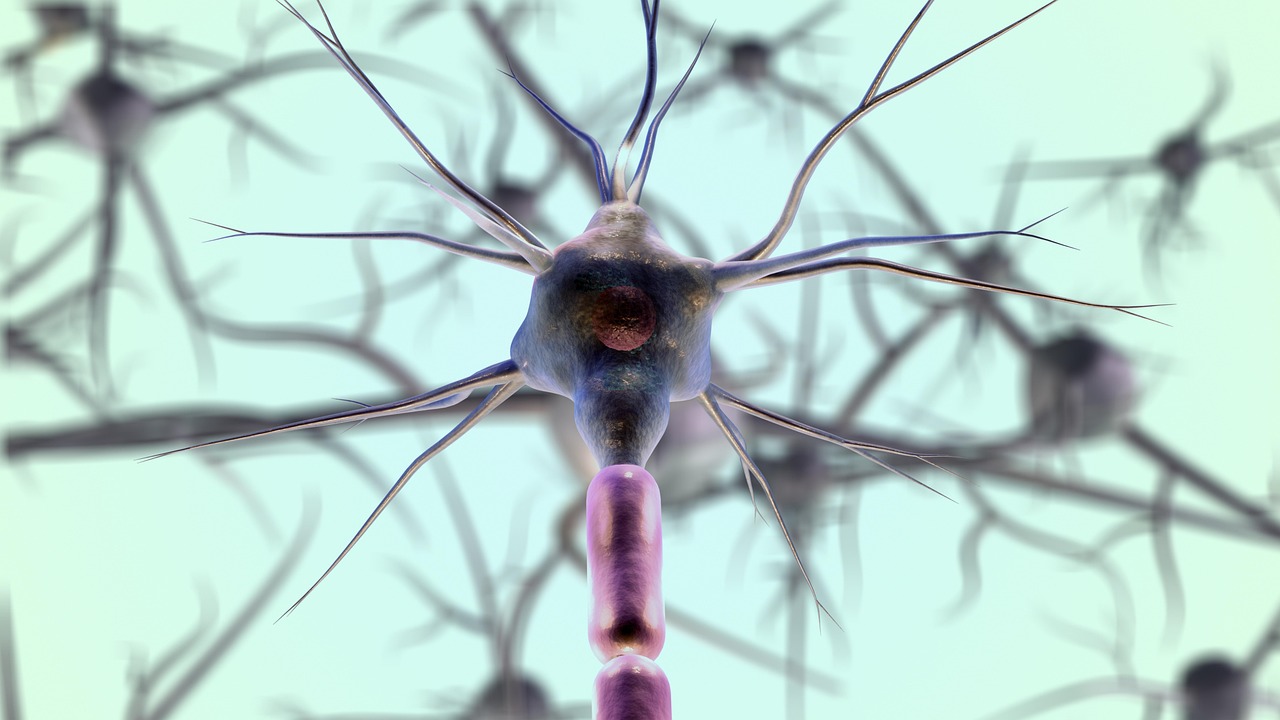
Brain scans revealing music's impact on emotions.
Illustration of brain scans showing areas activated by music, highlighting its emotional and therapeutic effects.
From ancient rituals to modern therapy sessions, music has long been intertwined with healing practices. The Greeks believed in the therapeutic power of music, using it to treat ailments of the mind and body. Ancient philosophers like Aristotle and Plato recognized music's potential to influence emotions and behavior.
Fast forward to the 20th century, and we find music therapy gaining recognition as a legitimate clinical practice. Pioneers like Dr. Edward William Ely began using music to treat veterans suffering from PTSD after World War II. This marked the beginning of a new era where music was no longer just an art form but a vital component of psychological healing.
As we delve deeper into the history of music as a healing tool, we uncover a rich tapestry of cultural practices that utilized sound for emotional restoration. Indigenous tribes around the world have employed drumming and chanting to heal communal trauma, illustrating music's universal role in human resilience.
What Are the Hidden Mechanisms of Music Therapy?

Generations connected through music.
A family gathered around a musical instrument, symbolizing the healing of transgenerational trauma through shared musical experiences.
While many recognize music's emotional benefits, the underlying mechanisms often remain a mystery. Music therapy operates on multiple levels, engaging cognitive, emotional, and physiological processes. For instance, the rhythm of music can synchronize brainwaves, promoting relaxation and reducing anxiety. This synchronization is crucial for those dealing with trauma, as it helps restore a sense of safety and control.
Moreover, music facilitates emotional expression. For individuals who struggle to articulate their feelings, music provides a voice. In a therapeutic setting, clients can use songwriting or improvisation to navigate their emotions, creating a safe space for healing.
Research indicates that music therapy can reduce PTSD symptoms by up to 63%, highlighting its effectiveness in clinical settings. This statistic is not just a number; it represents countless lives transformed through the power of sound.
Can Music Heal Transgenerational Trauma?

Digital music therapy in action.
A person engaging with a music therapy app, showcasing the modern approach to emotional healing through technology.
Transgenerational trauma refers to the psychological effects of trauma experienced by one generation that affect subsequent generations. Music has emerged as a powerful tool in addressing this complex issue. By connecting individuals with their cultural heritage through music, therapy can facilitate healing across generations.
In many cultures, traditional songs and rituals serve as conduits for emotional expression and community bonding. For instance, Indigenous Australians use songlines—musical narratives that map their ancestral lands—to pass down stories of resilience and survival. These practices not only honor the past but also foster a sense of belonging and identity in the present.
As we explore the intersection of music and transgenerational trauma, we discover that healing is not confined to individual experiences. Music has the power to bridge gaps, creating a shared narrative that unites families and communities in their journeys toward recovery.
What Role Does Music Play in Modern Therapeutic Practices?
In contemporary therapy, music is integrated into various modalities, from cognitive-behavioral therapy to mindfulness practices. Therapists use music to enhance emotional awareness, promote relaxation, and facilitate communication. For example, guided imagery with music (GIM) allows clients to explore their emotions through a curated musical experience, leading to profound insights and healing.
Moreover, the rise of digital platforms has made music therapy more accessible. Online resources and apps now offer guided music therapy sessions, allowing individuals to engage with therapeutic music from the comfort of their homes. This democratization of music therapy is particularly significant in a world where mental health resources are often scarce.
As we look to the future, the integration of technology and music therapy holds immense potential. Virtual reality experiences that incorporate music could revolutionize how we approach emotional healing, offering immersive environments that promote relaxation and emotional release.
Impact of Music Therapy on PTSD Symptoms
| Study | Reduction in Symptoms (%) |
|---|---|
| Journal of Music Therapy | 63 |
| American Journal of Psychiatry | 50 |
| Journal of Traumatic Stress | 40 |
Procedural Breakdown
Engagement
Clients engage with music through listening, playing instruments, or songwriting.
Expression
Clients express emotions and experiences through musical creation.
Reflection
Therapists guide clients in reflecting on their emotional responses to the music.
Integration
Clients integrate insights gained from the musical experience into their healing journey.
Frequently Asked intel
How does music therapy differ from traditional therapy?
Music therapy uses musical interventions to address emotional and psychological needs, while traditional therapy may focus more on verbal communication.
Can anyone benefit from music therapy?
Yes, music therapy can be beneficial for individuals of all ages and backgrounds, particularly those dealing with trauma, anxiety, or depression.
Dig deeper into the rabbit hole
Verified Data Sources
Recent Intel & Headlines
Cross-Network News Feed
Your Brain on Music: How Tunes Can Impact Your Mind - Cleveland Clinic Health Essentials
Both active and passive artistic pursuits offer significant healing benefits. - Psychology Today
The Healing Power of Music - Aish.com
Global headlines indexed via Google News RSS Search Protocol